The Complete Short Novels
SynopsisPlot
The Steppe—the most lyrical of the five—is an account of a nine-year-old boy’s frightening journey by wagon train across the steppe of southern Russia. The Duel sets two decadent figures—a fanatical rationalist and a man of literary sensibility—on a collision course that ends in a series of surprising reversals. In The Story of an Unknown Man, a political radical spying on an important official by serving as valet to his son gradually discovers that his own terminal illness has changed his long-held priorities in startling ways. Three Years recounts a complex series of ironies in the personal life of a rich but passive Moscow merchant. In My Life, a man renounces wealth and social position for a life of manual labor. The resulting conflict between the moral simplicity of his ideals and the complex realities of human nature culminates in a brief apocalyptic vision that is unique in Chekhov’s work.
Story
About this book
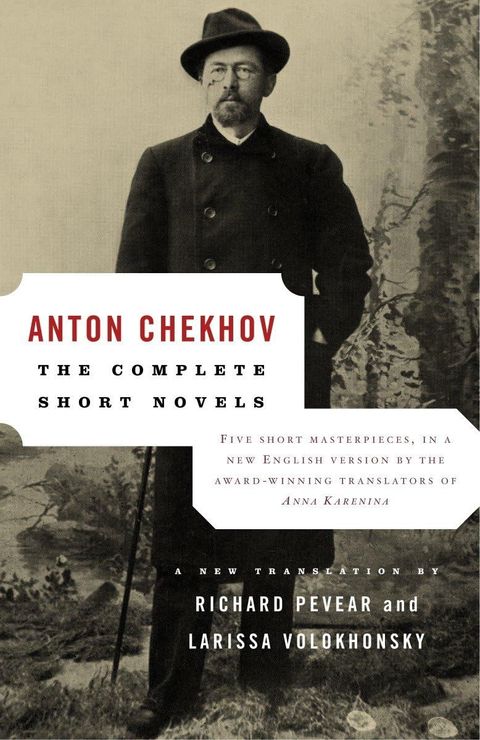
Anton Chekhov is widely recognized for his short stories, but he also wrote five works substantial enough to be considered short novels. This volume collects all five in one place. The Steppe follows a nine-year-old boy traveling by wagon train across the open grasslands of southern Russia, capturing fear and wonder through his young perspective. The Duel places a rigid rationalist and a man of literary temperament on a collision course, with the conflict producing unexpected turns. The Story of an Unknown Man centers on a political radical who has taken a position as valet to a high official's son in order to spy, only to find that a terminal illness reshapes everything he once believed in.
Three Years traces the life of a wealthy but passive Moscow merchant caught in a series of personal ironies, where money and social standing fail to simplify human relationships. My Life follows a man who abandons privilege and status to take up manual labor, a choice that sets his moral convictions against the complicated realities of the people around him. Across the five works, Chekhov returns to tensions between idealism and compromise, illness and purpose, social rank and personal freedom, all set within the landscapes and social structures of late nineteenth-century Russia.