Miss Iceland
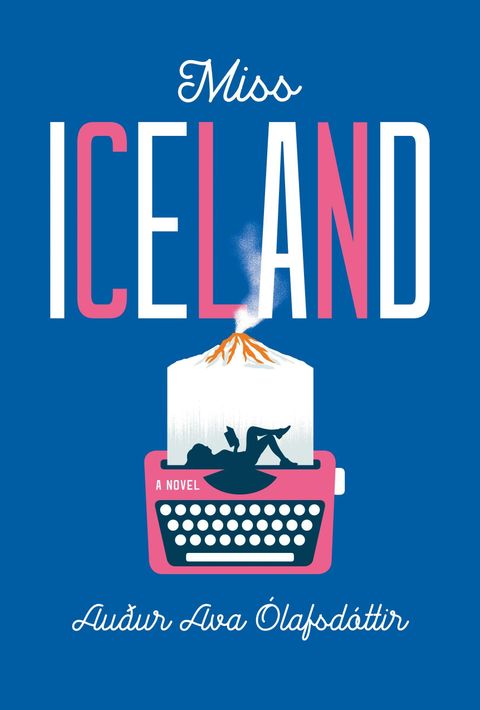
SynopsisPlot
Iceland in the 1960s. Hekla always knew she wanted to be a writer. In a nation of poets, where each household proudly displays leatherbound volumes of the Sagas, and there are more writers per capita than anywhere else in the world, there is only one problem: she is a woman. After packing her few belongings, including James Joyce's Ulysses and a Remington typewriter, Hekla heads for Reykjavik with a manuscript buried in her bags. She moves in with her friend Jon, a gay man who longs to work in the theatre, but can only find dangerous, backbreaking work on fishing trawlers. Hekla’s opportunities are equally limited: marriage and babies, or her job as a waitress, in which harassment from customers is part of the daily grind. The two friends feel completely out of place in a small and conservative world.
Story
About this book
Set in 1960s Iceland, Miss Iceland follows Hekla, a young woman determined to become a writer in a country that prides itself on its literary heritage. Iceland has long claimed more writers per capita than anywhere else, and leather-bound volumes of the medieval Sagas sit in homes across the island. But the literary world Hekla wants to enter is shaped by men, and her options as a woman are narrow: waitressing, marriage, or motherhood.
Hekla arrives in Reykjavik carrying a Remington typewriter, a copy of James Joyce's Ulysses, and a hidden manuscript. She shares lodgings with Jon, a friend who dreams of working in theatre but instead takes grueling jobs on fishing trawlers because he is gay and has few safe choices in a small, conservative society. Both characters push against the limits set for them. Around them, the wider world is shifting: President Kennedy is assassinated, hemlines climb, and a volcanic eruption reshapes the Icelandic landscape.
Auður Ava Ólafsdóttir grounds the novel in specific textures of mid-century Reykjavik while tracing how Hekla's encounters with other writers force her to reckon with what staying or leaving would each cost. The character is named after one of Iceland's most active volcanoes, a detail that quietly shadows the story.