The Obscure and Fun Facts of the Faroe Islands
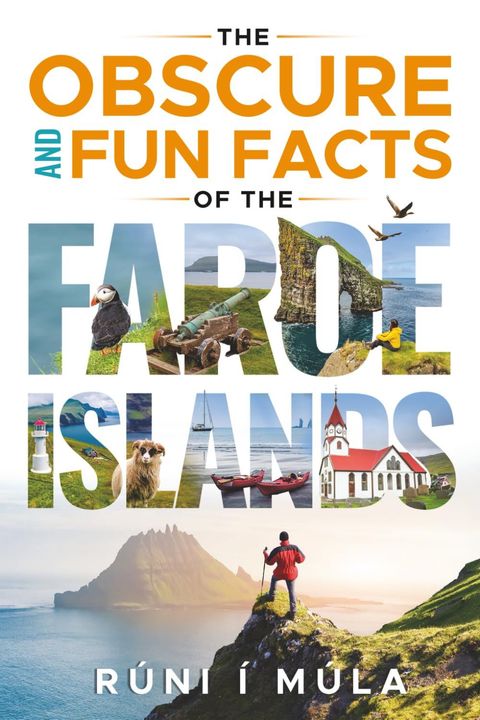
SynopsisPlot
Discover incredible feats that will astound you, read about the peculiar political situation of the Faroes, uncover historic events that shaped the Faroe Islands, and investigate strange facts that will leave you scratching your head in wonder. "Obscure Facts from the Faroe Islands" is a must-read if you are planning a trip to the Faroe Islands or simply want to learn more about this fascinating destination. Did you know that the Faroe Islands once had a hostile breed of sheep that were life-threatening to shepherds herding them on the steep mountain sides? Or that there is a Faroese factory that builds large catamarans in a mountain village? These are just a few of the many intriguing and obscure facts contained within the pages of this book.
Story
About this book
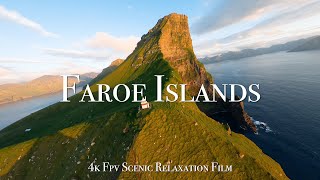
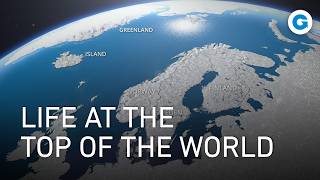
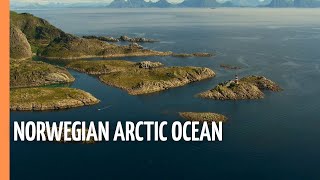
The Faroe Islands are an archipelago of eighteen volcanic islands in the North Atlantic, roughly midway between Norway, Iceland, and Scotland. Rúni í Múla collects lesser-known details about Faroese history, politics, culture, and daily life, arranged not as a travel guide but as a broad introduction to the islands through their oddities and overlooked stories. The unusual political position of the Faroes, a self-governing territory within the Kingdom of Denmark, sits beside historical events that shaped these scattered communities.
Among the facts presented: the islands once had a breed of sheep so aggressive that herding it along steep mountain slopes endangered shepherds. Elsewhere, a factory producing large catamarans operates from a mountain village, an unlikely setting for boatbuilding. Such examples point to a pattern where geography and isolation pushed Faroese life into unusual arrangements.
The book is aimed at readers planning a visit and at those simply curious about a place that rarely appears in general European knowledge. Its subjects range from farming and industry to governance and local custom, drawn from the specific conditions that eighteen small, steep, closely grouped islands create for the people who live on them.