The Sex Lives of Cannibals
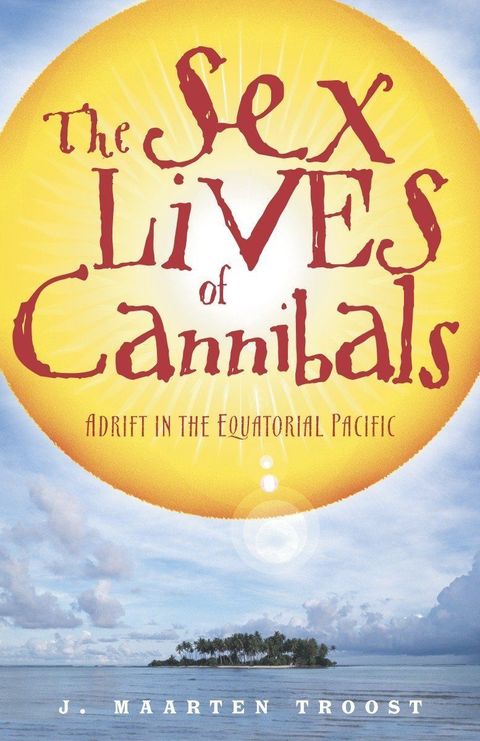
SynopsisPlot
At the age of twenty-six, Maarten Troost—who had been pushing the snooze button on the alarm clock of life by racking up useless graduate degrees and muddling through a series of temp jobs—decided to pack up his flip-flops and move to Tarawa, a remote South Pacific island in the Republic of Kiribati. He was restless and lacked direction, and the idea of dropping everything and moving to the ends of the earth was irresistibly romantic. He should have known better. The Sex Lives of Cannibals tells the hilarious story of what happens when Troost discovers that Tarawa is not the island paradise he dreamed of. Falling into one amusing misadventure after another, Troost struggles through relentless, stifling heat, a variety of deadly bacteria, polluted seas, and toxic fish—all in a country where the only music to be heard for miles around is “La Macarena.” He and his stalwart girlfriend Sylvia spend the next two years battling incompetent government officials, alarmingly large critters, erratic electricity, and a paucity of food options (including the Great Beer Crisis); and contending with a bizarre cast of local characters, including “Half-Dead Fred” and the self-proclaimed Poet Laureate of Tarawa (a British drunkard who’s never written a poem in his life).
Story
About this book
At twenty-six, J. Maarten Troost had collected graduate degrees he found little use for and cycled through a string of temporary jobs. Restless and without direction, he left for Tarawa, a coral atoll in the Republic of Kiribati, drawn by the romance of going to the far edge of the map. What he found was an environment that tested nearly every comfort he had taken for granted.
Troost's account of his two years on Tarawa covers the practical realities of atoll life in sharp, comic detail. Tarawa is a narrow strip of land in the central Pacific, densely populated and far from reliable supply lines. He describes polluted lagoon water, erratic electricity, few food options, constant heat, and oversized insects, alongside a cast of residents and expatriates including a self-declared poet laureate who has never written a poem.
The book belongs to a strand of travel writing that finds its material in discomfort rather than scenery. Troost presents Kiribati less as a tropical paradise than as a place shaped by isolation, thin infrastructure, and the distance between outsider expectations and daily routine. Tarawa is also known internationally as the site of a Second World War battle fought in November 1943.