The Prophet
SynopsisPlot
Gibran’s musings are divided into twenty-eight chapters covering such sprawling topics as love, marriage, children, giving, eating and drinking, work, joy and sorrow, housing, clothes, buying and selling, crime and punishment, laws, freedom, reason and passion, pain, self-knowledge, teaching, friendship, talking, time, good and evil, prayer, pleasure, beauty, religion, and death.
Story
About this book
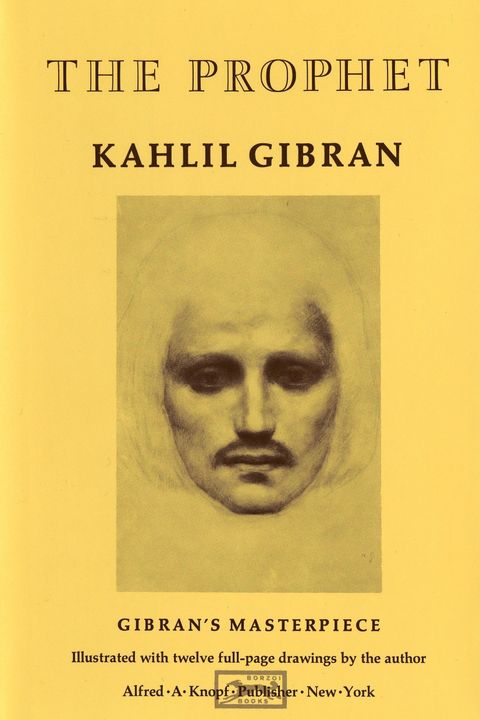
The Prophet, written in English by Lebanese-American writer and artist Kahlil Gibran, was first published in 1923. The book takes the form of 26 poetic essays spoken by a fictional prophet named Almustafa, who has spent twelve years living in the city of Orphalese. As he prepares to leave by ship and return to his homeland, a group of people gathers and asks him to share what he has learned during his time among them.
Almustafa responds with short, reflective addresses on subjects that span nearly every dimension of daily and inner life. These include love, marriage, children, work, joy and sorrow, freedom, friendship, crime and punishment, reason and passion, self-knowledge, prayer, beauty, good and evil, and death. Each chapter stands on its own, offering observations in a calm, lyrical style that draws on both Eastern and Western literary traditions.
Gibran was born in 1883 in what is now Lebanon and emigrated to the United States as a child. He wrote in both Arabic and English throughout his career. The Prophet remains one of his most widely circulated works and has been translated into dozens of languages since its original publication.