The Magus
SynopsisPlot
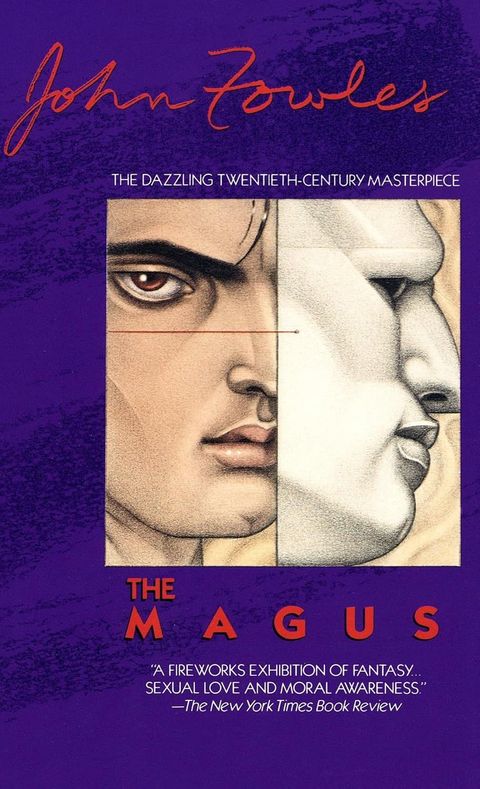
Filled with shocks and chilling surprises, The Magus is a masterwork of contemporary literature. In it, a young Englishman, Nicholas Urfe, accepts a teaching position on a Greek island where his friendship with the owner of the islands most magnificent estate leads him into a nightmare. As reality and fantasy are deliberately confused by staged deaths, sensual encounters, and terrifying violence, Urfe becomes a desperate man fighting for his sanity and his life.
Story
About this book
Nicholas Urfe, a young English graduate, takes a teaching post at a private school on a small Greek island. Isolated and restless, he fills his spare time walking the landscape alone until he encounters a wealthy, enigmatic local figure whose estate dominates the island. What begins as a curious friendship shifts into something far less stable, as Urfe is drawn into an elaborate series of psychological games orchestrated by his host.
The games grow stranger and more unsettling. Staged events blur the line between what is real and what is performance. A young woman appears who may or may not be complicit in the manipulations, and Urfe finds himself unable to tell whether he is a guest, a subject, or a prisoner. Sensual encounters, orchestrated scenes of violence, and layered deceptions push him toward genuine crisis.
John Fowles first published The Magus in 1965 and later revised it substantially for a 1977 edition. The novel is set on a fictional Greek island, though Fowles drew on his own experience teaching at a school on the island of Spetses in the early 1950s. The story operates through accumulating ambiguity, leaving questions about control, freedom, and self-knowledge unresolved for much of its length.