Lord of the Flies
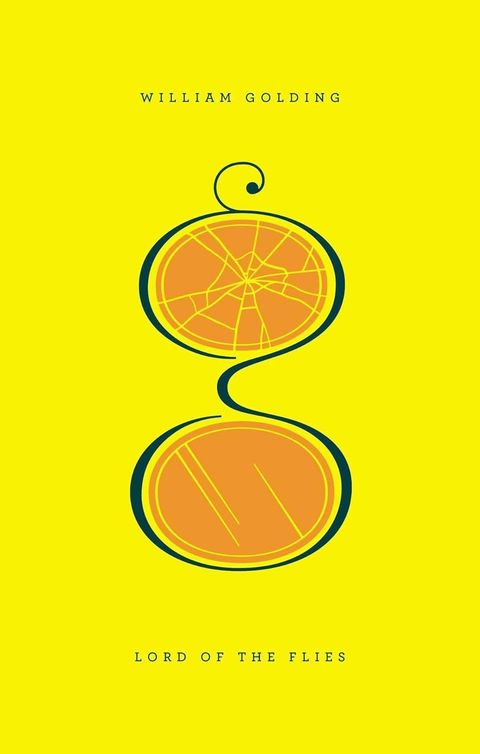
SynopsisPlot
At the dawn of the next world war, a plane crashes on an uncharted island, stranding a group of schoolboys. At first, with no adult supervision, their freedom is something to celebrate; this far from civilization the boys can do anything they want. Anything. They attempt to forge their own society, failing, however, in the face of terror, sin and evil. And as order collapses, as strange howls echo in the night, as terror begins its reign, the hope of adventure seems as far from reality as the hope of being rescued.
Story
About this book
William Golding's 1954 novel opens with a plane crash on an uninhabited island during a future war. The survivors are all boys, British schoolchildren with no adults among them. Left to organize themselves, they hold assemblies, assign roles, and try to keep a signal fire burning in hopes of rescue. Two informal leaders emerge with opposing instincts: one pushes for rules and cooperation, the other for hunting and immediate freedom. The early days feel like an open-ended holiday, but that mood does not last.
As fear of something unseen on the island spreads, the fragile structure the boys have built begins to crack. Alliances shift, rituals grow wilder, and the line between play and genuine threat disappears. Golding uses the isolated setting to examine how quickly social order can unravel when survival pressure meets the absence of authority. The story traces tensions between collective agreement and individual impulse, between reasoned decision-making and raw emotion.
The novel was published in London and has since appeared on several notable reading lists, including the Modern Library 100 Best Novels and Time magazine's 100 best English-language novels from 1923 to 2005. Golding later received the Nobel Prize in Literature.