Tess of the d'Urbervilles
SynopsisPlot
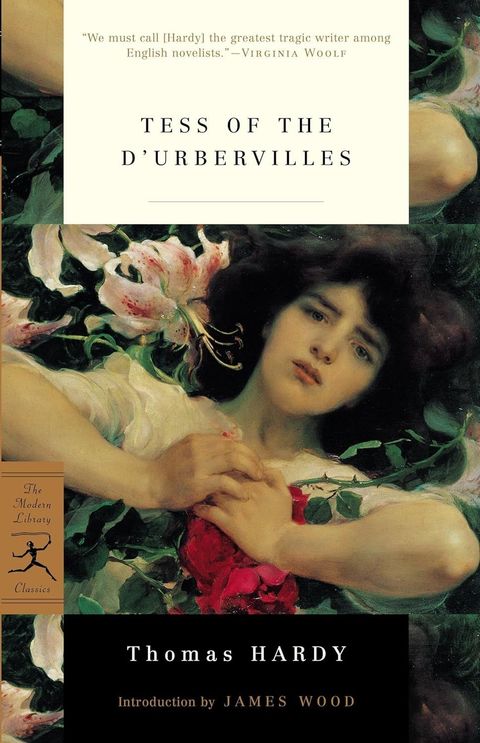
Etched against the background of a dying rural society, Tess of the d'Urbervilles was Thomas Hardy's 'bestseller,' and Tess Durbeyfield remains his most striking and tragic heroine. Of all the characters he created, she meant the most to him. Hopelessly torn between two men—Alec d'Urberville, a wealthy, dissolute young man who seduces her in a lonely wood, and Angel Clare, her provincial, moralistic, and unforgiving husband—Tess escapes from her vise of passion through a horrible, desperate act.
Story
About this book
Tess Durbeyfield is a young woman from a poor rural family in the English county of Dorset, or rather its fictional counterpart, Wessex, the landscape Thomas Hardy used across much of his fiction. When her father discovers that the family name traces back to the ancient d'Urbervilles, a once-noble lineage, he sends Tess to seek connection with supposed relatives. That decision sets off a chain of events shaped by poverty, exploitation, and the rigid moral codes of late Victorian society.
Tess becomes caught between two men whose influence over her life pulls in opposite directions. Alec d'Urberville is wealthy and predatory; Angel Clare, whom Tess later marries, holds ideals about purity that leave little room for forgiveness. Hardy uses their contrasting hold on Tess to expose how class, gender, and moral convention can close in on a person with few resources and little power.
The novel was first published in 1891 and provoked strong reactions for its frank treatment of sexual violence and its sympathy toward a heroine whom conventional morality would have condemned. Hardy subtitled the book A Pure Woman, a pointed challenge to the social judgments the story examines.