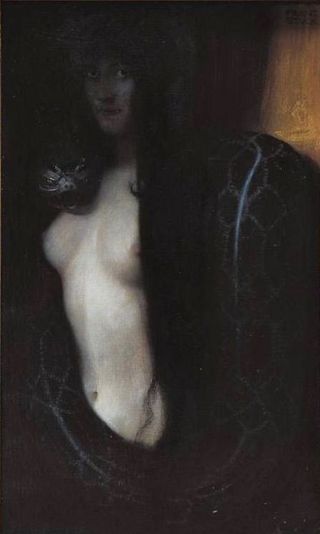
Paradise Lost
SynopsisPlot
In Paradise Lost, Milton produced a poem of epic scale, conjuring up a vast, awe-inspiring cosmos ranging across huge tracts of space and time. And yet, in putting a charismatic Satan and naked Adam and Eve at the center of this story, he also created an intensely human tragedy on the Fall of Man. Written when Milton was in his fifties—blind, bitterly disappointed by the Restoration, and briefly in danger of execution—Paradise Lost’s apparent ambivalence toward authority has led to intense debate about whether it manages to “justify the ways of God to men,” or exposes the cruelty of Christianity.
Story
About this book
Paradise Lost is a long narrative poem by John Milton, first published in 1667. It retells the Biblical story of the Fall of Man, beginning with Satan's rebellion against God and his expulsion from Heaven, then following his journey through Chaos to the newly created Earth. There he finds Adam and Eve in the Garden of Eden and sets about their temptation. The poem moves between cosmic warfare, theological argument, and domestic scenes of the first two human beings living together before the arrival of sin.
Milton composed the work during a difficult period of his life. He had gone blind by 1652 and was dictating the poem to assistants and family members. The political cause he had supported, the English Commonwealth, had collapsed with the restoration of the monarchy in 1660, and Milton himself faced real danger of punishment for his republican writings. These circumstances shape the poem's treatment of obedience, authority, and defeat.
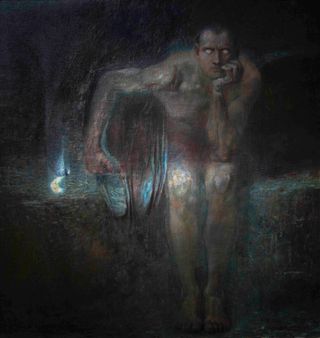
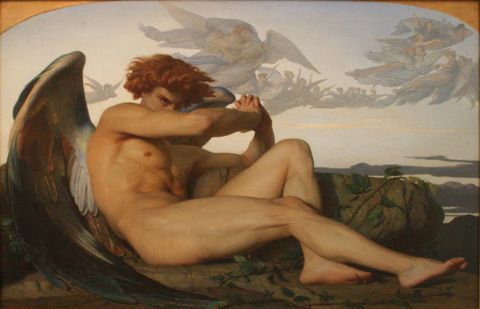
One of the poem's most discussed features is its portrayal of Satan, who speaks with persuasive force and carries a sense of wounded pride that some readers have found sympathetic. Whether Milton intended this effect or whether it works against the poem's stated goal of justifying God's actions has been a subject of critical debate for centuries.