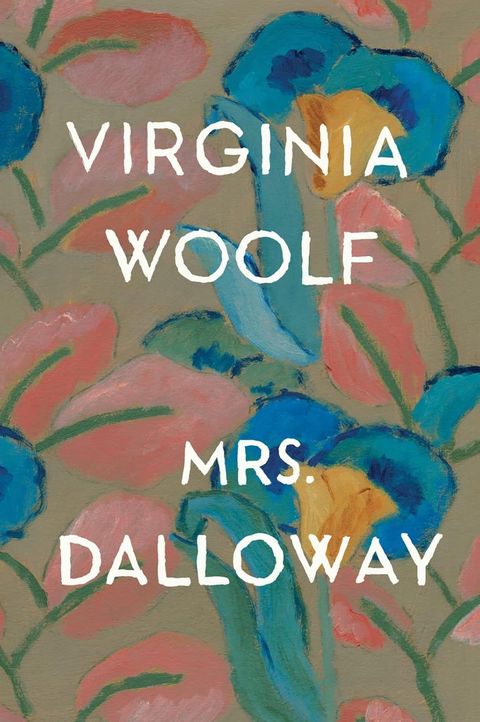
Mrs. Dalloway
SynopsisPlot
In this vivid portrait of a single day in a woman’s life, Mrs. Clarissa Dalloway is preoccupied with the last-minute details of preparation for a party while in her mind she is something much more than a perfect society hostess. As she readies her house for friends and neighbors, she is flooded with remembrances of the past—the passionate loves of her carefree youth, her practical choice of husband, and the approach and retreat of war. And, met with the realities of the present, Clarissa reexamines the choices that brought her there, hesitantly looking ahead to the unfamiliar work of growing old.
Story
About this book
Mrs. Dalloway follows a single day in the life of Clarissa Dalloway, the wife of a politician in 1920s London. The novel opens as Clarissa sets out on morning errands to prepare for a party she will host that evening. Along the way, encounters with old acquaintances and the ordinary texture of the city stir memories of her youth, including past friendships, a former love, and the choices that shaped her present life.
As Clarissa moves through London, figures from her past reappear, unsettling the composure she has built around herself. She reflects on the marriage she chose, the freedoms she set aside, and the distance between who she once was and who she has become. A separate thread follows Septimus Warren Smith, a young veteran struggling with the aftereffects of the First World War, whose story runs parallel to Clarissa's without directly crossing it for much of the book.
Virginia Woolf structures the novel almost entirely through interior thought, shifting between characters as they pass through the same streets and hours. The book stays close to the surface of a single London day while reaching into questions of memory, identity, and time. It later inspired Michael Cunningham's 1998 novel The Hours.