Vanity Fair
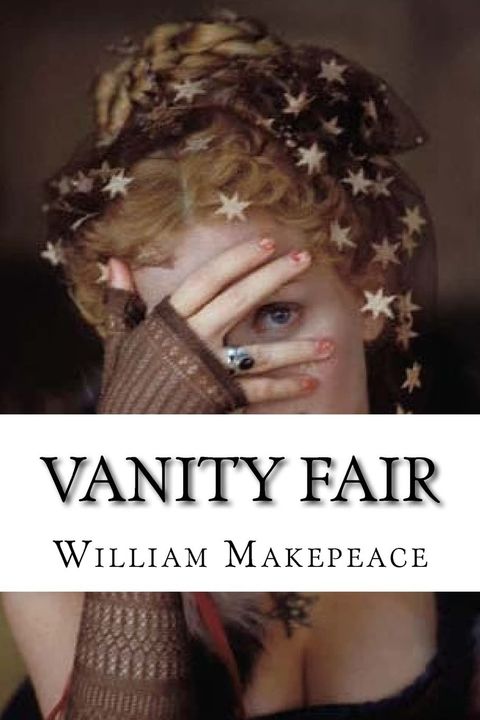
SynopsisPlot
I think I could be a good woman, if I had five thousand a year,” observes beautiful and clever Becky Sharp, one of the wickedest—and most appealing—women in all of literature. Becky is just one of the many fascinating figures that populate William Makepeace Thackeray’s novel Vanity Fair, a wonderfully satirical panorama of upper-middle-class life and manners in London at the beginning of the nineteenth century. Scorned for her lack of money and breeding, Becky must use all her wit, charm and considerable sex appeal to escape her drab destiny as a governess.
Story
About this book
Vanity Fair, first published in serial form between 1847 and 1848, is a satirical novel by William Makepeace Thackeray set largely in London and Brussels during the early nineteenth century. The story follows two contrasting young women after they leave school: Becky Sharp, a penniless and resourceful orphan determined to climb the social ladder, and Amelia Sedley, her gentle, sheltered friend from a prosperous family. Becky, dismissed by polite society for her lack of wealth and family connections, relies on intelligence, charm, and calculated social maneuvering to escape her expected fate as a governess.
Thackeray subtitled the novel A Novel without a Hero, signaling his interest in flawed, self-serving characters rather than moral exemplars. The book tracks its cast through courtship, marriage, financial ruin, and the upheaval surrounding the Battle of Waterloo in 1815. Class anxiety, social performance, and the gap between public reputation and private motive run through nearly every scene.
The title borrows from John Bunyan's The Pilgrim's Progress, where Vanity Fair is a marketplace of worldly temptations. Thackeray uses it to frame a broad portrait of upper-middle-class English life in which ambition, money, and appearances govern almost every relationship.