The Age of Innocence
SynopsisPlot
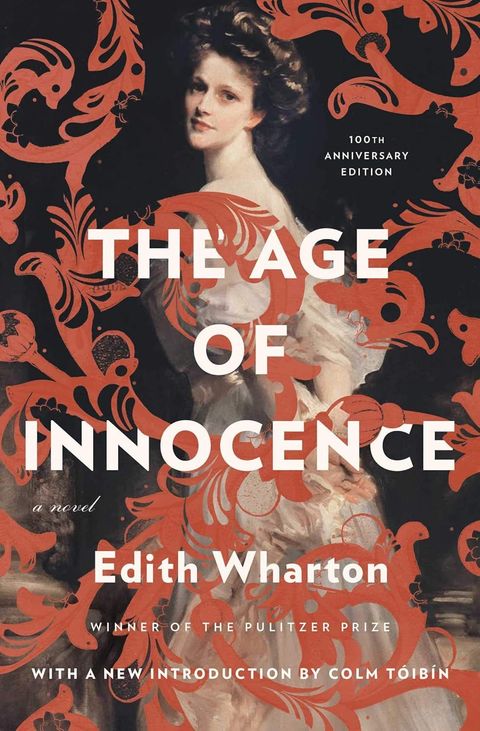
With vivid power, Wharton evokes a time of gaslit streets, formal dances held in the ballrooms of stately brownstones, and society people "who dreaded scandal more than disease." This is Newland Archer's world as he prepares to many the docile May Welland. Then, suddenly, the mysterious, intensely nonconformist Countess Ellen Olenska returns to New York after a long absence, turning Archer's world upside down.
Story
About this book
Edith Wharton set this novel in 1870s New York, drawing on the upper-class society she knew from her own upbringing. The story follows Newland Archer, a well-mannered young man whose engagement to the proper May Welland promises a comfortable, predictable life among the brownstones and ballrooms of old Manhattan. Archer fits neatly into his world, accepting its codes while quietly recognizing how narrow they can be.
That balance is disrupted when May's cousin, Countess Ellen Olenska, returns to New York after years abroad. Ellen has separated from her husband, a fact that unsettles the families around her. She is independent and direct in ways that Archer's circle finds threatening. As Archer is drawn toward Ellen, he faces a growing conflict between the expectations built into his engagement and the less guarded life she represents. The novel traces how social pressure operates not through open confrontation but through small gestures, dinner-table arrangements, and careful silences.
Wharton wrote the book shortly after the First World War, looking back at a society already several decades gone. It won the Pulitzer Prize in 1921, making Wharton the first woman to receive that award for fiction.