Robinson Crusoe
SynopsisPlot
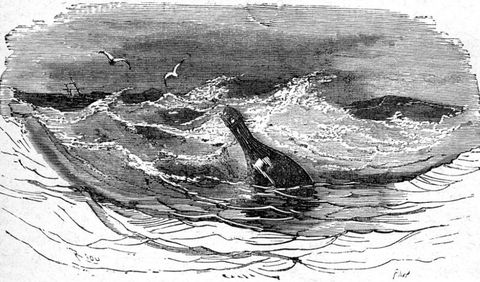
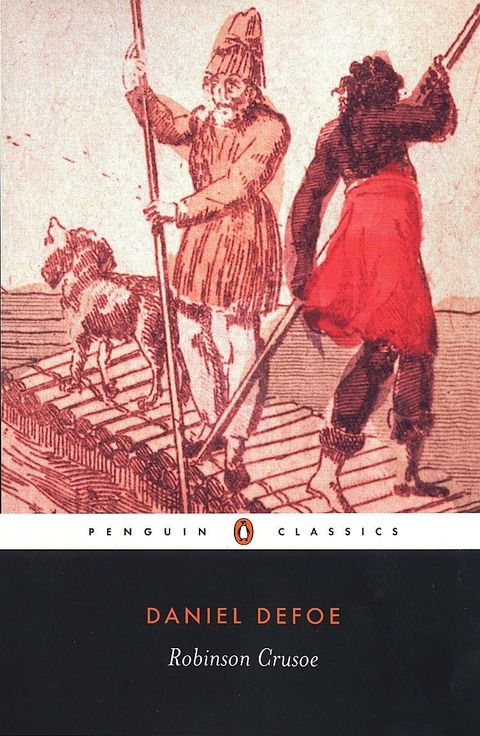
The sole survivor of a shipwreck, Robinson Crusoe is washed up on a desert island. In his journal he chronicles his daily battle to stay alive, as he conquers isolation, fashions shelter and clothes, enlists the help of a native islander who he names 'Friday', and fights off cannibals and mutineers. Written in an age of exploration and enterprise, it has been variously interpreted as an embodiment of British imperialist values, as a portrayal of 'natural man', or as a moral fable. But above all is a brilliant narrative, depicting Crusoe's transformation from terrified survivor to self-sufficient master of an island. This edition contains a full chronology of Defoe's life and times, explanatory notes, glossary and a critical introduction discussing Robinson Crusoe as a pioneering work of modern psychological realism.
Story
About this book
Robinson Crusoe, first published in 1719 by Daniel Defoe, follows a man stranded alone on an uninhabited island after a shipwreck. Told through his journal entries, the story tracks his efforts to build shelter, make clothing, grow food, and establish a functioning daily life from almost nothing. Over time he encounters other people on the island, including an indigenous man he names Friday, and later faces threats from both cannibals and mutineers. The novel is set during an era when European maritime exploration and colonial trade were expanding rapidly.
Defoe wrote the book in a plain, factual style meant to read like a real account rather than a work of fiction. This approach, grounding an extraordinary situation in small practical details, helped establish patterns that later novels in English would follow. Scholars have read the story in several ways: as an expression of British colonial attitudes, as an experiment in depicting a person stripped down to basic survival, or as a moral narrative about self-reliance and adaptation. The edition associated with this record includes explanatory notes, a glossary, a chronology of Defoe's life, and a critical introduction that discusses the novel's place in the early history of psychological realism.