Master of the Day of Judgment
SynopsisPlot
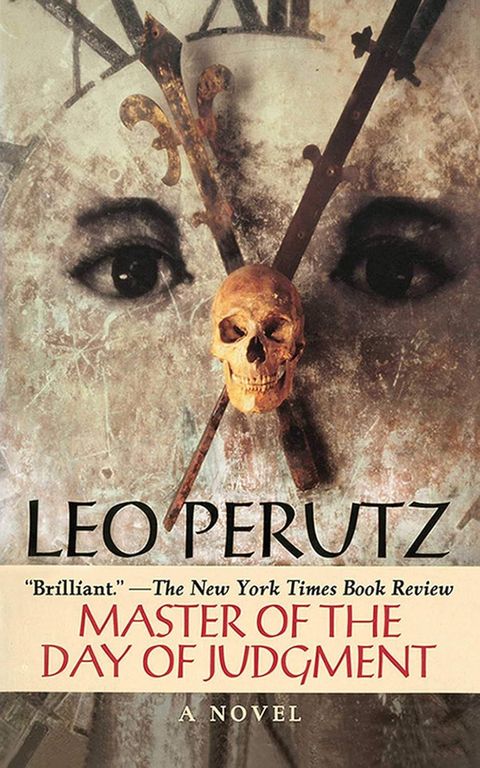
Vienna, 1909. When the celebrated actor Eugen Bischoff is found dead in his garden pavilion, suspicion falls immediately on Baron von Yosch, a well-to-do army officer who was once the lover of the dead man’s wife. By all appearances—the door was locked from the inside when the two shots rang out—the actor took his own life, but someone, or something, drove him to it. The baron sets out to learn all he can about the actor’s death in order to clear his name. Meanwhile, within a few days, similar apparent suicides are reported. What started out as a straightforward quest to establish Bischoff’s last deeds and discover the truth of his death becomes a search through the ages for an invisible enemy identified only by the actor’s dying breath, when he whispered: “. . . the Day of Judgment.”
Story
About this book
Vienna in 1909 provides the setting for this novel by Leo Perutz, an Austrian writer known for mixing suspense with elements of the uncanny. The story opens with the death of Eugen Bischoff, a well-known actor found in his locked garden pavilion after two gunshots. Everything points to suicide, but Baron von Yosch, an army officer and former lover of Bischoff's wife, finds himself under immediate suspicion. To clear his own name, the baron begins investigating the circumstances surrounding the actor's final hours.
What starts as a relatively contained inquiry soon widens. Additional apparent suicides follow within days, each sharing unsettling similarities with Bischoff's death. The baron's investigation shifts from tracing one man's last movements to tracking a pattern that seems to stretch back through history. Bischoff's dying words, referring to a Day of Judgment, become the only clue pointing toward whatever force connects these deaths. The locked-room detail and the spreading wave of deaths give the novel a structure that sits between detective fiction and something stranger.
Perutz was born in Prague and spent much of his life in Vienna before emigrating in 1938. His novels, written in German, often occupy a space where historical detail and the inexplicable overlap, and this book is a characteristic example of that approach.