Bambi, a Life in the Woods

SynopsisPlot
The story follows the life of a dear called Bambi from his birth, through his childhood and the death of his mother, to finding a mate, learning his father's lessons, and discovering the dangers posed by human beings.
Story
About this book
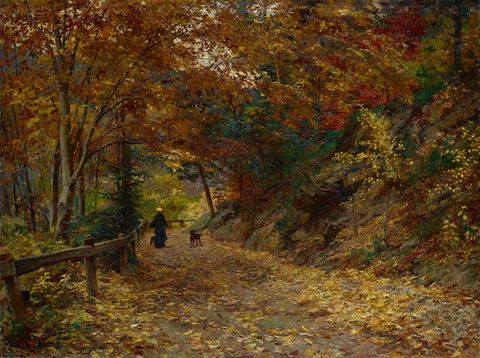
Felix Salten published Bambi in 1923 in German. The story follows a roe deer named Bambi from birth through the stages of growing up in a European forest. Bambi encounters other animals, learns to find food and avoid predators, and gradually comes to understand the greatest threat in the woods: human beings, whom the animals refer to simply as He. The English translation, completed by Whittaker Chambers in 1928, brought the book to a much wider audience.
The novel is often considered one of the earliest works of environmental fiction. Salten presents the forest as a place of both beauty and constant danger, where survival depends on alertness and experience passed between generations. Bambi's father, a distant and solitary older deer, plays a key role in teaching Bambi how to navigate these threats. The story also touches on loss, particularly the death of Bambi's mother, which remains one of its most recognizable moments.
In 1936, the book was banned by Nazi Germany, which treated it as a parable about the persecution of Jews in Europe. Salten himself was an Austrian Jewish writer born in Budapest. Walt Disney later adapted the story into an animated film, released in 1942, which became the version most widely known around the world.