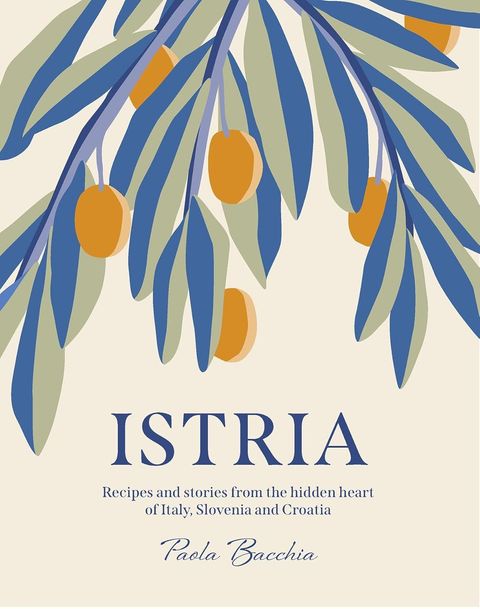
Istria: Recipes and stories from the hidden heart of Italy, Slovenia and Croatia
SynopsisPlot
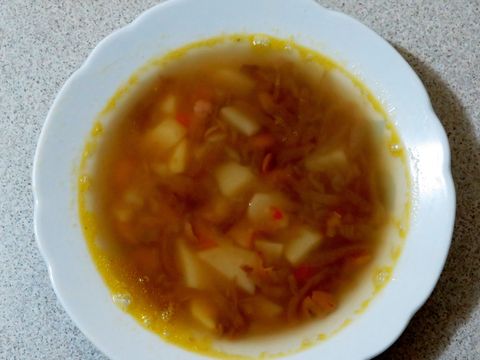
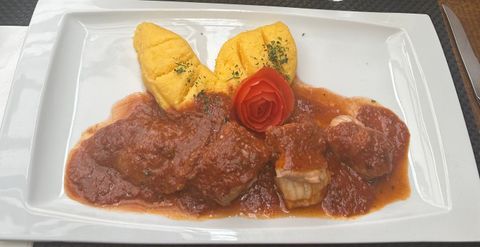
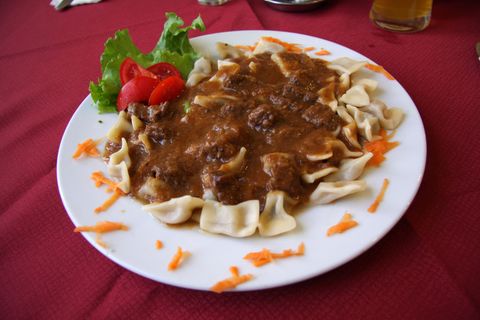
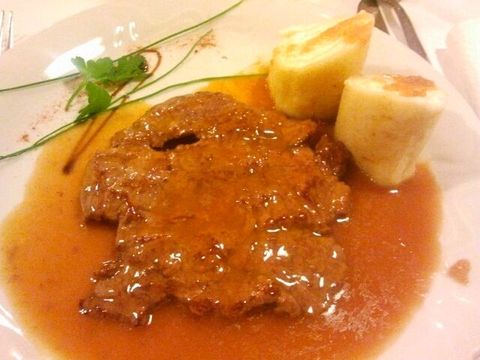
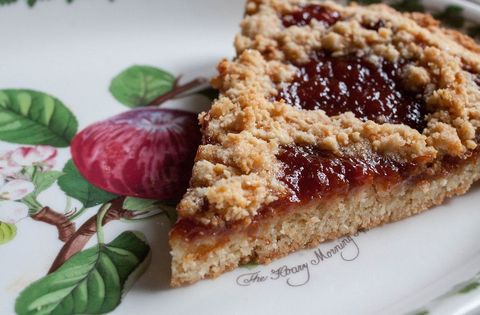
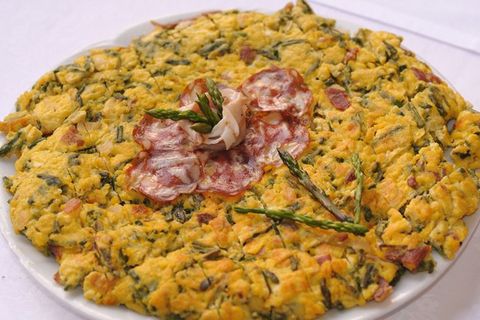
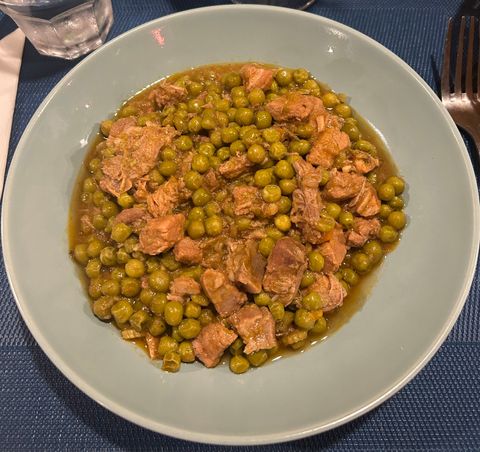
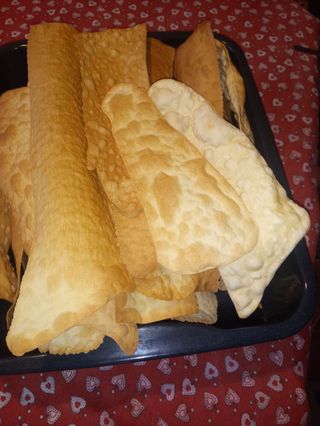
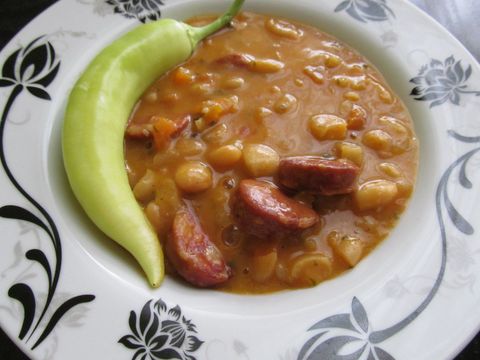
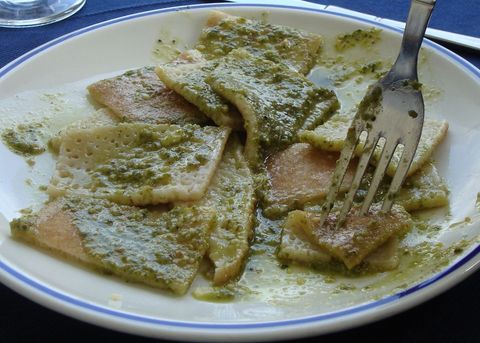
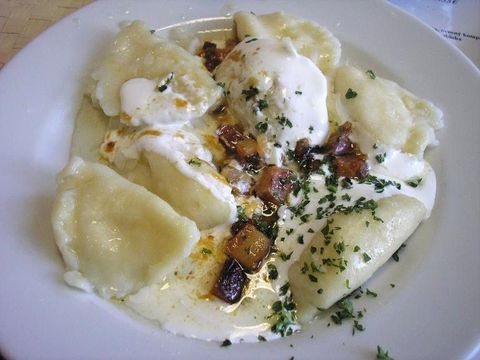
This book is a record of traditions, of these cultures and of Paola's family: recipes from her childhood, the region's past, and her family and friends who still live beside the Adriatic coast. Among recipes for semolina dumplings, beef and pork goulash, and apricot strudel are memories of the region and the stories of the recipes' authors: the Italian-Istrians who remained in the region after the 1940s, and those who left for new countries. Istria is full of recipes inspired by home kitchens and memories of what grew in the owner's gardens: hearty grain soups and seafood, crepes piled high, and biscuits flavored with cinnamon. Istrian cuisine is a rich blend of Venice and Vienna, Hungary, and the Balkans - food doesn't have borders, and certainly not in this book's recipes.
Story
About this book
Istria is a peninsula at the northern end of the Adriatic Sea, divided today between Croatia, Slovenia, and a small strip of Italy. Paola Bacchia's book uses the region's food as a way into its layered history and mixed cultural identity. The recipes draw on home kitchens rather than restaurants, reflecting what families have cooked across generations shaped by Venetian, Viennese, Hungarian, and Balkan influences. Dishes range from semolina dumplings and beef goulash to apricot strudel and cinnamon-flavored biscuits, each one tied to a specific household or memory.
Alongside the recipes, Bacchia traces the stories of Italian-Istrians who stayed in the region after the border changes of the 1940s and those who left for other countries. Her own family connections to the Adriatic coast run through the book, linking personal recollection to broader patterns of migration and cultural persistence. Grain soups, seafood, and stacked crepes appear not as isolated dishes but as markers of place and season.
The book treats Istrian cooking as something shaped by overlapping borders rather than confined by any single national tradition. Gardens, coastline, and proximity to several culinary traditions all figure in the ingredients and methods recorded here.