The Woman Who Had Two Navels and Tales of the Tropical Gothic
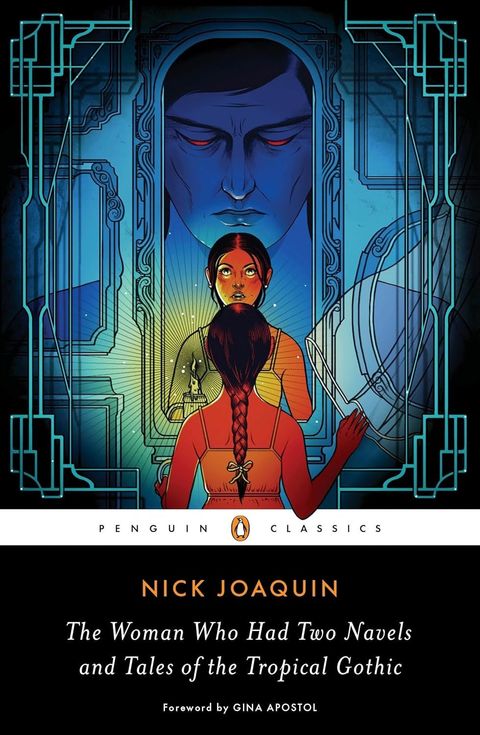
SynopsisPlot
Set amid the ruins of Manila devastated by World War II, Nick Joaquin's stories are steeped in the post-colonial anguish and hopes of his era and resonate with the ironic perspectives on colonial history of Gabriel García Márquez and Mario Vargas Llosa. His work meditates on the questions and challenges of the Filipino individual’s new freedom after a long history of colonialism, exploring folklore, centuries-old Catholic rites, the Spanish colonial past, magical realism, and baroque splendor and excess. This collection features his best-known story, “The Woman Who Had Two Navels,” centered on Philippine emigrants living in Hong Kong and later expanded into a novel, the much-anthologized stories “May Day Eve” and “The Summer Solstice” and a canonic play, A Portrait of the Artist as Filipino. As Penguin Classics previously launched his countryman Jose Rizal to a wide audience, now Joaquin will find new readers with the first American collection of his work.
Story
About this book
Nick Joaquin is widely regarded as one of the most important Filipino writers, though his work stayed little known outside the Philippines despite being written in English. This collection gathers fiction and drama set against Manila after the destruction of World War II, a city shaped by centuries of Spanish and then American rule. The title story follows Philippine emigrants in Hong Kong and was later expanded into a novel.
Also included are the widely anthologized stories May Day Eve and The Summer Solstice, and the play A Portrait of the Artist as Filipino. Joaquin's writing circles the tension between Catholic rites inherited from Spain and the uncertain freedoms that followed independence. His characters move through folklore, ceremony, and colonial memory, in prose that mixes realism with baroque excess and the fantastical.
The volume is described as the first American collection of Joaquin's work, and it places him near Latin American writers such as Gabriel Garcia Marquez and Mario Vargas Llosa, who examined colonial history with similar irony. The Philippines sat between two empires, Spanish and American, and these stories return to how those overlapping histories shaped Filipino life.