The Polish Boxer
SynopsisPlot
The Polish Boxer covers a vast landscape of human experience while enfolding a search for origins: a grandson tries to make sense of his Polish grandfather’s past and the story behind his numbered tattoo; a Serbian classical pianist longs for his forbidden heritage; a Mayan poet is torn between his studies and filial obligations; a striking young Israeli woman seeks answers in Central America; a university professor yearns for knowledge that he can’t find in books and discovers something unexpected at a Mark Twain conference. Drawn to what lies beyond the range of reason, they all reach for the beautiful and fleeting, whether through humor, music, poetry, or unspoken words. Across his encounters with each of them, the narrator—a Guatemalan literature professor and writer named Eduardo Halfon—pursues his most enigmatic subject: himself.
Story
About this book
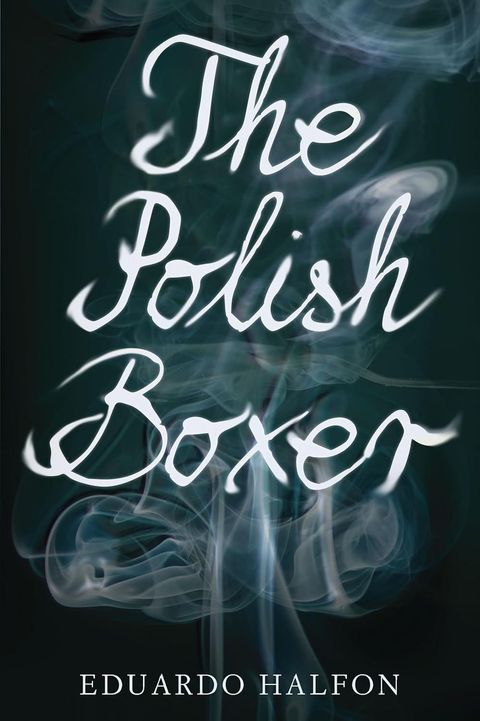
The Polish Boxer is a novel by the Guatemalan writer Eduardo Halfon. Its narrator shares the author's name and profession, a literature professor in Guatemala, which blurs the line between fiction and autobiography. At its center sits a family question: the narrator's Polish grandfather carries a tattooed number from his imprisonment during the Second World War, and the story behind it stays half-told. The grandson's effort to understand that silence sets the book's course.
Around that thread, the book gathers other lives. A Serbian pianist longs for a heritage he was kept from. A young Mayan poet is pulled between his studies and duties to his family. An Israeli woman looks for answers in Central America. A professor travels to a Mark Twain conference hoping for knowledge he cannot find in books. Each meeting feeds the narrator's own search, and each figure holds a tension between belonging and displacement.
Halfon first wrote these linked chapters in Spanish, and the book moves between Guatemala, Europe, and the United States. Its people reach toward what reason cannot hold, through humor, music, poetry, or things left unsaid, while the narrator keeps turning the same questions of origin back on himself.