The Museum of Eterna's Novel

SynopsisPlot
Macedonio (known to everyone by his unusual first name) worked on this novel in the 1930s and early '40s, during the heyday of Argentine literary culture, and around the same time that At Swim-Two-Birds was published, a novel that has quite a bit in common with Macedonio's masterpiece. In many ways, Museum is an "anti-novel." It opens with more than fifty prologues—including ones addressed "To My Authorial Persona," "To the Critics," and "To Readers Who Will Perish If They Don't Know What the Novel Is About"—that is by turns philosophical, outrageous, ponderous, and cryptic. These pieces cover a range of topics from how the upcoming novel will be received to how to thwart "skip-around readers" (by writing a book that defies linearity!). The second half of the book is the novel itself, a novel about a group of characters (some borrowed from other texts) who live on an estancia called "la novella" . . .
Story
About this book
Macedonio Fernández, known to readers simply by his first name, worked on this book during the 1930s and early 1940s, a busy period in Argentine literary life. It carries the subtitle The First Good Novel and is often called an anti-novel, meaning a work that sets itself against the usual habits of storytelling rather than following them.
The first half gathers more than fifty prologues, addressed variously to critics, to the author's own authorial persona, and to readers who fear they will perish without knowing the subject. Their tone moves between philosophy, provocation, heavy argument and riddle. One stated aim is to frustrate readers who skip around, by building a book that refuses to run in a straight line.
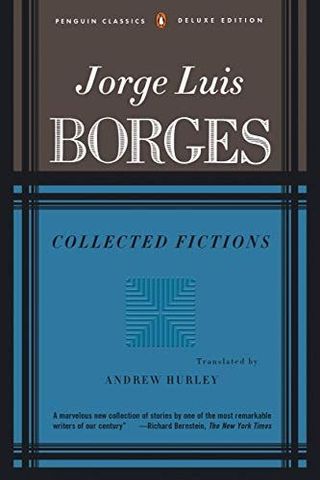
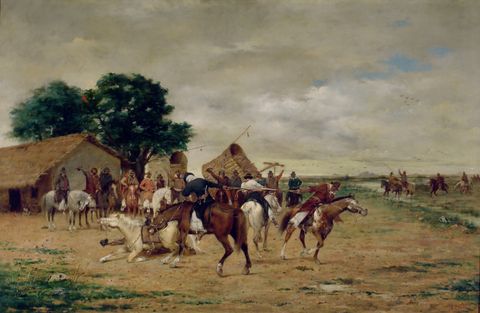
The second half is the novel itself, set on an estancia, a large Argentine country estate, which carries the name la novela. Some of its characters are borrowed from other texts, so the fiction openly reuses material readers may already know. Macedonio published little during his lifetime, and the book appeared after his death. Jorge Luis Borges regarded him as a mentor.