Unica Looking at the Sea
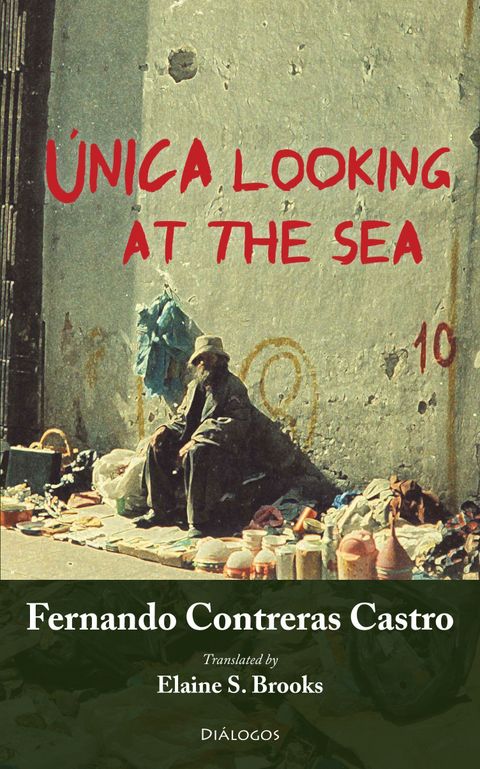
SynopsisPlot
Única Looking at the Sea, the first novel by the Costa Rican writer Fernando Contreras Castro, has immediately assumed a position of great importance in the history of Costa Rican literature. Beginning with space—the problematic and deeply referential space of the sanitary landfill at Río Azul—this work goes beyond the anecdotal to acquire the symbolic character and the critical capacity of great literary work. We can say that through this writer’s ingenuity garbage is turned into literature, with the garbage dump serving as the basis for an incisive critique of modern consumer culture. From within this grotesque, almost nonsensical, realism, moments of immense tenderness emerge, of solidarity and of human suffering. The subtle irony and sometimes cruel sarcasm recreate one of the cruelest realities in our society. —Amalia Chaverri
Story
About this book
Unica Looking at the Sea is a novel by Costa Rican writer Fernando Contreras Castro, set in and around the Río Azul sanitary landfill near San José, Costa Rica. The story centers on people who live and work among the waste of a modern city, building their lives in a place most residents prefer not to see. Through their daily reality, the novel examines what a consumer society discards and who is left to sort through it.
Contreras Castro uses the landfill as both a physical setting and a lens for social criticism. The characters who inhabit this space form bonds of solidarity and tenderness even under harsh conditions. The writing moves between sharp irony and moments of genuine care, drawing out contradictions between how a society presents itself and what it throws away. Rather than treating poverty as spectacle, the novel stays close to its characters and the concrete details of their surroundings.
The Río Azul landfill, which operated for decades east of San José, received much of the capital region's waste and became a point of public debate over environmental and social conditions. Contreras Castro's choice to anchor his fiction in this specific, real location gives the story a geographic weight that connects it directly to Costa Rican urban life.