The Art of Being Kuna: Layers of Meaning Among the Kuna of Panama
SynopsisPlot
From the familiar reverse appliquÈd molas to music, dance, and verbal arts, the Kuna live their values and bind their people together. This focus and strength have helped them resist outside forces and maintain their culture and self-determination in the face of far more influential people and governments.
Story
About this book
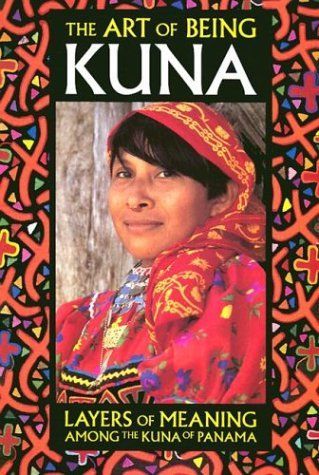
The Kuna are an Indigenous people living primarily in the San Blas archipelago along Panama's Caribbean coast, a chain of small coral islands and mainland villages. Mari Lyn Salvador's book surveys their artistic traditions in detail, covering visual, musical, verbal, and performative forms. The most widely recognized of these are molas, textile panels made using a technique called reverse applique, in which layers of colored cloth are cut away to reveal patterns beneath. Salvador places molas within a broader context of Kuna creative life rather than treating them as isolated craft objects.
Beyond textiles, the book examines how music, dance, oral storytelling, and ceremony function together as expressions of shared values and social cohesion. Salvador documents the ways these practices have helped the Kuna maintain political autonomy and cultural continuity, even under pressure from national governments and outside economic forces. The Kuna's history of organized resistance to assimilation policies is unusual among Indigenous groups in Central America and has drawn attention from anthropologists and political observers.
The volume is extensively illustrated and draws on fieldwork conducted among Kuna communities. It serves as both an ethnographic record and a guide to understanding how art operates within a living culture rather than apart from it.