How Wall Street Created a Nation: J.P. Morgan, Teddy Roosevelt, and the Panama Canal
SynopsisPlot
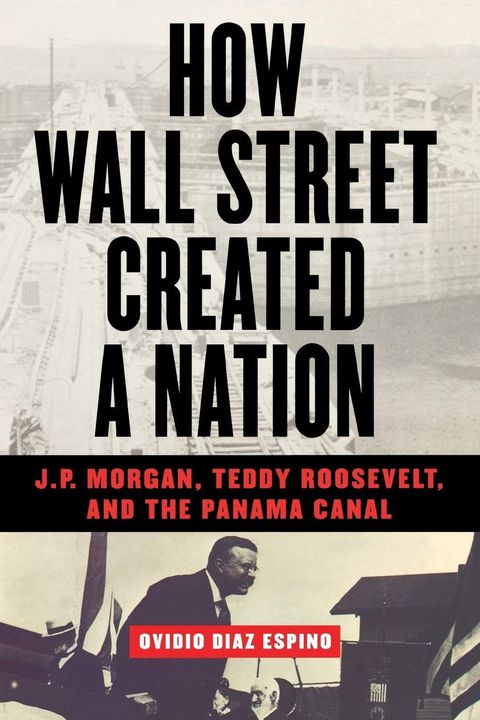
With the drama of detective fiction, How Wall Street Created a Nation illustrates how a combination of financial gain and arrogant American imperialism culminated in the building of the Panama Canal. Ovidio Diaz Espino has artfully pieced together the tale of a dark alliance of greed between the bankrupt French Panama Canal Company and a secret syndicate of Wall Street financiers. With the full force of Teddy Roosevelt's Wall Street cabal and his gunboat diplomacy behind it, there was no stopping the canal project despite the objections of the American Congress and press.
Story
About this book
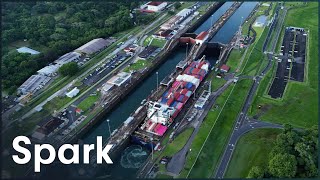
In the early 1900s the narrow isthmus linking North and South America became the site of one of the largest engineering and financial undertakings of the era. Ovidio Diaz Espino traces the money and politics behind the Panama Canal, beginning with the bankrupt French Panama Canal Company, which had already failed in its own attempt to cut a waterway across the land.
A secretive group of Wall Street financiers set out to acquire the French company's holdings and revive the project under American control. The book follows how figures including J.P. Morgan and President Theodore Roosevelt worked around objections from the United States Congress and the press, combining private financial alliances with the forceful foreign policy sometimes described as gunboat diplomacy.
Panama's separation from Colombia in 1903 belongs to this sequence of events, and Espino examines how the canal shaped the early political and economic life of the new republic. Writing with a background in finance and a connection to Latin America, he presents the canal as a case study in how state power and private profit could align during a period of American expansion.