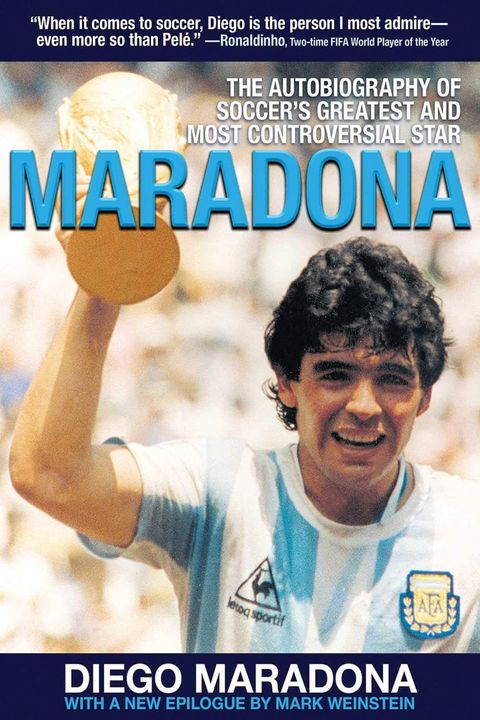
Maradona
SynopsisPlot
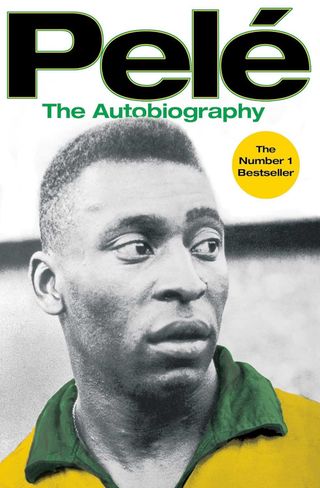
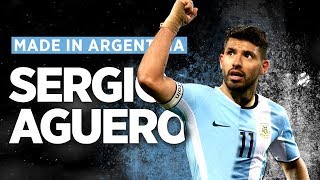
Diego Maradona went from a poor boy in a Buenos Aires shanty town to a genius with the soccer ball. He kicked his way to the top of South American, European, and world soccer, but his battles with the many pressures of life inside and outside the game consistently threatened to tear his legend and his spirit down. He is one of many famous soccer players, but one of only a few to write their own soccer autobiography. Villain or hero, one thing about Maradona is clear: he was the best soccer player of his generation and possibly of all time. He has never shared his remarkable story in his own words—until this autobiography.
Story
About this book
Diego Armando Maradona grew up in Villa Fiorito, a shanty town on the southern edge of Buenos Aires, and rose to become one of the most celebrated football players in history. This autobiography, written in his own voice, traces that arc from childhood poverty through his years at Argentinos Juniors, Boca Juniors, Barcelona, and Napoli, and on to the Argentine national team. It covers two World Cups in particular: Mexico 1986, where Maradona led Argentina to the title, and the tournaments that followed.
The book addresses both the football and the trouble that surrounded it. Maradona's struggles with injury, intense public scrutiny, substance abuse, and repeated disciplinary actions form a parallel thread alongside the goals and trophies. He writes about his relationships with coaches, teammates, journalists, and officials, often with a directness that swings between confession and self-defence.
The edition includes a later epilogue that extends the account beyond his playing career, along with a collection of photographs. Maradona remains one of only a handful of elite footballers to have produced a full-length autobiography in their own words, and the book reflects the contradictions he carried throughout his public life.