The Good Earth
SynopsisPlot
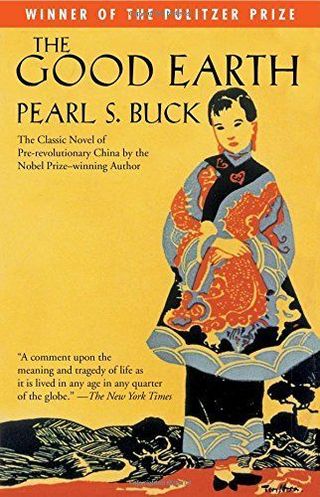
In The Good Earth, Pearl S. Buck paints an indelible portrait of China in the 1920s, when the last emperor reigned, and the vast political and social upheavals of the twentieth century were but distant rumblings. This moving, classic story of the honest farmer Wang Lung and his selfless wife O-Lan is must read for those who would fully appreciate the sweeping changes that have occurred in the lives of the Chinese people during the last century.
Story
About this book
The Good Earth follows Wang Lung, a farmer in early twentieth-century China, whose life revolves around the plot of land he works. He marries O-Lan, a former servant from the wealthy House of Hwang, and together they build a household through steady, physical labor. Pearl S. Buck sets the story in a period when imperial rule was fading and large-scale social change had not yet arrived in the countryside, though its early signals were already present.
Wang Lung's fortunes shift with the land itself. Flood and drought push his family from the soil and into the crowded life of a nearby city, where they encounter urban poverty, unrest, and the volatile gap between rich and poor. His return to farming and his gradual accumulation of wealth bring new pressures. As Wang Lung prospers, he faces temptations and family tensions that test the values he once held without question. Meanwhile, the old landowning gentry of the House of Hwang decline, mirroring the broader shifts taking place across Chinese society.
Buck, who grew up in China as the daughter of American missionaries, drew on decades of firsthand observation. The novel was first published in 1931 and contributed to her receiving the Nobel Prize in Literature in 1938.