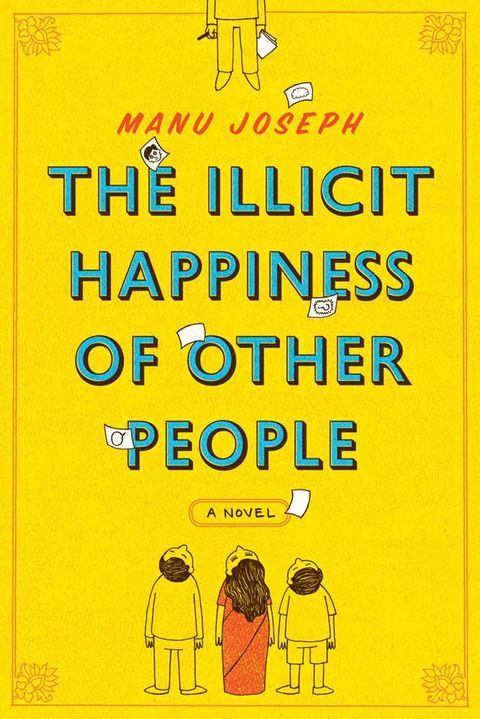
The Illicit Happiness of Other People
SynopsisPlot
It has been three years since seventeen-year-old Unni Chacko mysteriously fell from a balcony to his death. His family―journalist father Ousep, who smokes two cigarettes at once “because three is too much”; mother Mariamma, who fantasizes gleefully about murdering her husband; and twelve-year-old love-struck brother Thoma with zero self-esteem, have coped by not coping. When the post office delivers a comic drawn by Unni that had been lost in the mail, Ousep, shocked out of his stupor, ventures on a quest to understand his son and rewrite his family’s story.
Story
About this book
Set in Madras during the 1990s, The Illicit Happiness of Other People follows the Chacko family three years after the death of seventeen-year-old Unni, who fell from a balcony under unclear circumstances. His father Ousep is an alcoholic journalist who has drifted through grief without confronting it. His mother Mariamma channels her frustration into vivid fantasies of domestic violence. His younger brother Thoma, twelve years old and painfully self-conscious, is absorbed by his first experience of love. The family has survived by avoiding the questions that matter most.
When a comic strip drawn by Unni arrives unexpectedly through the post office, years late, Ousep is jolted into action. He begins to investigate his son's life, speaking to the people Unni knew and trying to understand the world he inhabited. That world included a circle of gifted, unconventional adolescents navigating a city where young men faced intense academic pressure. Unni's drawings appear to carry meaning that Ousep did not previously recognize.
Manu Joseph writes the novel as a darkly comic story threaded with serious questions about perception, truth, and the inner lives people keep hidden. The tone balances dry humor against genuine grief, anchoring both in the specific textures of south Indian domestic life.