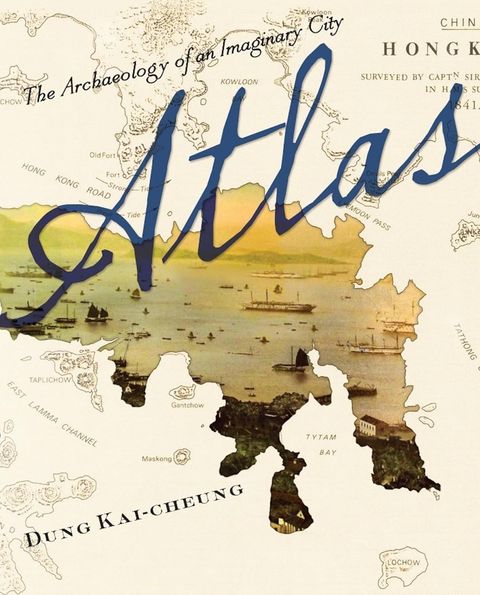
Atlas: The Archaeology of an Imaginary City
SynopsisPlot
Set in the long-lost City of Victoria (a fictional world similar to Hong Kong), Atlas is written from the unified perspective of future archaeologists struggling to rebuild a thrilling metropolis. Divided into four sections―"Theory," "The City," "Streets," and "Signs"―the novel reimagines Victoria through maps and other historical documents and artifacts, mixing real-world scenarios with purely imaginary people and events while incorporating anecdotes and actual and fictional social commentary and critique.
Story
About this book
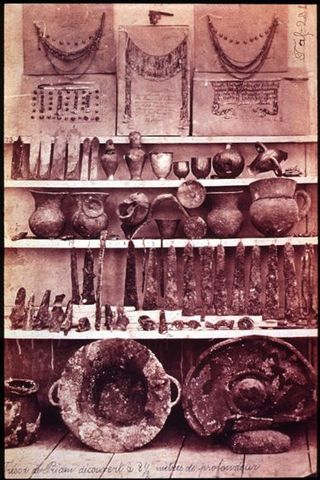
Atlas: The Archaeology of an Imaginary City is a novel by Dung Kai-cheung set in the City of Victoria, a fictional place that closely resembles Hong Kong. The book is written from the perspective of future archaeologists who are trying to reconstruct this lost metropolis using maps, historical documents, and recovered artifacts. Victoria is not a straightforward stand-in for Hong Kong but a layered invention, blending real-world geography and events with imagined people, places, and social commentary.
The novel is divided into four sections: Theory, The City, Streets, and Signs. Each section approaches Victoria from a different angle, moving between speculation and documentation, personal anecdote and broader cultural observation. The structure mirrors the work of archaeology itself, piecing together fragments to form a picture that may or may not be accurate. Questions about memory, urban identity, and colonial history run through the text, but they emerge from the fictional evidence rather than from direct argument.
Dung Kai-cheung mixes genres freely. The book draws on conventions of academic writing, city guidebooks, and speculative fiction without settling into any single category. Its form reflects the unstable, contested nature of the city it describes.