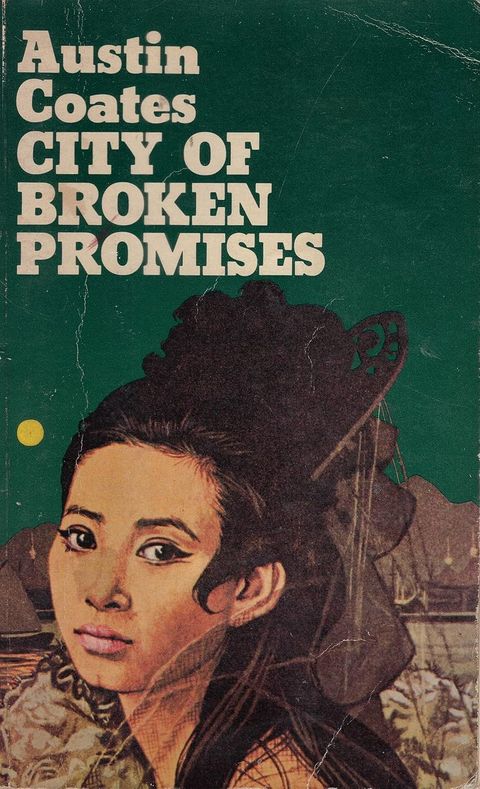
City of Broken Promises
SynopsisPlot
City of Broken Promises by Austin Coates is a richly detailed historical novel that brings 18th-century Macao to life, tracing the true story of Martha Merop—a Chinese orphan who rises from profound hardship to become one of the most influential traders on the China Coast. At the heart of the narrative is her relationship with a British merchant connected to the founding of Lloyd’s, whose promises ultimately shape both their fates. Coates draws from oral traditions and archival documents to reconstruct the years 1780 to 1795, weaving a tale of cross-cultural intrigue, resilience, and transformation
Story
About this book
City of Broken Promises is a historical novel by Austin Coates set in Macao during the final decades of the eighteenth century. It follows the life of Martha Merop, a Chinese orphan who endures severe hardship before gradually becoming one of the most powerful traders on the China Coast. The story covers the period from 1780 to 1795, a time when Macao served as the main gateway for European commerce with China. Coates constructed the narrative using oral traditions and archival records, grounding the fiction in documented events and real figures.
Central to the plot is Martha's connection with a British merchant linked to the founding of Lloyd's. Their relationship carries promises that shape the direction of both their lives, set against a colonial port city where European and Chinese interests meet, overlap, and frequently collide. The novel pays close attention to the power imbalances of gender and colonial authority that defined daily life in Macao during this era.
Coates spent years living in Hong Kong and Macao, and his familiarity with the region is visible in the period detail he brings to the setting. The book draws its strength from specifics: trade routes, local customs, and the social architecture of a small but strategically important port.