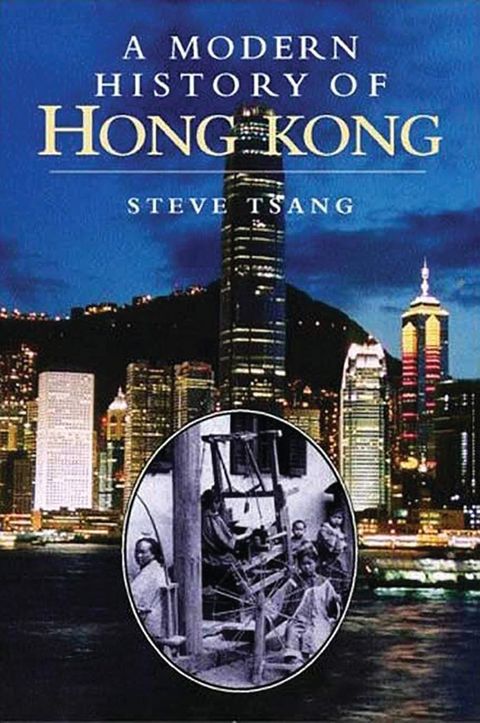
A Modern History of Hong Kong
SynopsisPlot
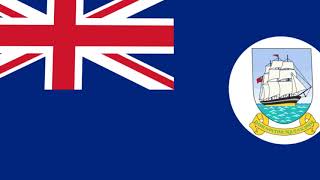
From a little-known fishing community at the periphery of China, Hong Kong developed into one of the world's most spectacular and cosmopolitan metropoles after a century and a half of British imperial rule. This history of Hong Kong -- from its occupation by the British in 1841 to its return to Chinese sovereignty in 1997 -- includes the foundation of modern Hong Kong; its developments as an imperial outpost, its transformation into the ""pearl"" of the British Empire and of the Orient and the events leading to the end of British rule.
Story
About this book
Steve Tsang's history covers Hong Kong from 1841, when Britain first occupied the territory, through to the 1997 handover to Chinese sovereignty. Drawing on both British and Chinese sources, including official records and private papers, the book traces how a small fishing settlement on the southern edge of China grew into one of the most internationally connected cities in Asia over roughly 156 years of colonial rule.
A central thread running through the account is the shifting relationship between Hong Kong's local Chinese population and the expatriate community that governed and shaped much of the territory's institutions. Tsang follows the stages of this relationship across several eras: the founding period, the decades as a relatively minor imperial outpost, and the later transformation into what many called the pearl of the British Empire. Alongside these political and social changes, the book examines how a distinct local identity gradually formed among Hong Kong's residents, separate from both mainland Chinese and British frameworks.
The final sections address the negotiations and events that led to the end of British administration, placing them in the context of the longer patterns Tsang has outlined across the preceding century and a half.