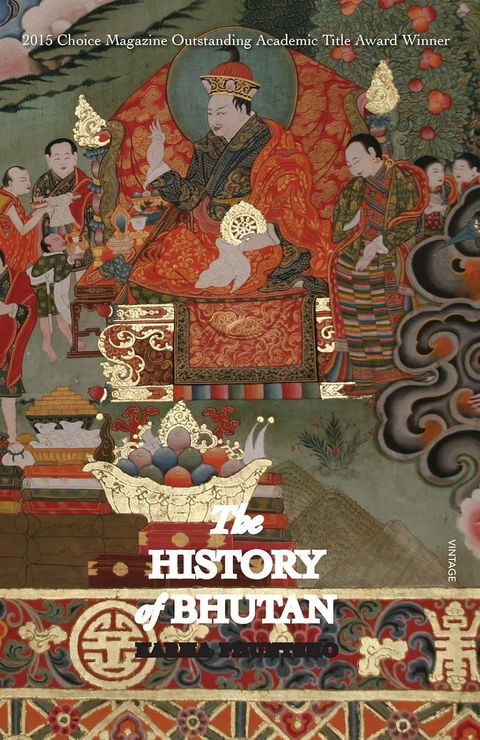
The History of Bhutan
SynopsisPlot
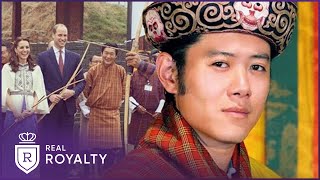
In recent years, the remote kingdom of Bhutan has increasingly attracted the attention of the world. In 2008, it emerged as the world’s youngest democracy and in the same year crowned the world’s youngest monarch. This was followed by the new King’s colourful wedding in 2011. Today, it continues to enchant the rest of the world with its policy of Gross National Happiness and has become a very popular destination for travel. But, despite its growing popularity and the rising scholarly interest in the country, Bhutan remains one of the most poorly studied places on earth.
Story
About this book
Bhutan sits in the eastern Himalayas between India and China, a small landlocked kingdom that has drawn growing international curiosity in recent decades. In 2008, the country transitioned to a constitutional democracy and crowned its new king, who at the time was the youngest reigning monarch in the world. These events, along with the widely discussed policy of Gross National Happiness, brought Bhutan into global headlines. Yet for all this attention, detailed English-language scholarship on the country's long history has remained remarkably scarce.
Karma Phuntsho's The History of Bhutan is described as the first attempt to cover the full span of Bhutanese history in some depth in English. The book traces the country's past from its earliest periods through the formation of a unified state, the role of Buddhism in governance and daily life, and the political changes that led to the modern constitutional monarchy. Phuntsho, himself Bhutanese, draws on local sources and traditions that are often inaccessible to outside researchers.
The scope of the work reflects how much of Bhutan's recorded past has been preserved in Dzongkha and classical Tibetan rather than in widely read European languages. That language gap partly explains why one of Asia's most distinctive states has remained so lightly documented for international audiences.