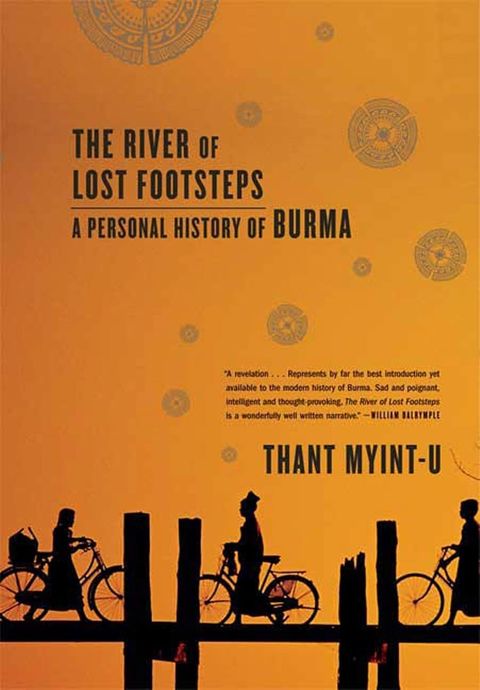
The River of Lost Footsteps: A Personal History of Burma
SynopsisPlot
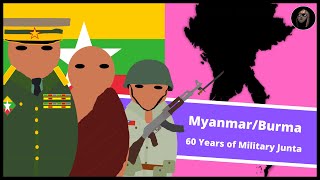
What do we really know about Burma and its history? And what can Burma's past tell us about its present and even its future? For nearly two decades Western governments and a growing activist community have been frustrated in their attempts to bring about a freer and more democratic Burma―through sanctions and tourist boycotts―only to see an apparent slide toward even harsher dictatorship. Now Thant Myint-U tells the story of modern Burma, and the story of his own family, in an interwoven narrative that is by turns lyrical, dramatic, and deeply affecting. Through his prominent family's stories and those of others, he portrays Burma's rise and decline in the modern world, from the time of Portuguese pirates and renegade Mughal princes through a sixty-year civil war that continues today―the longest-running war anywhere in the world.
Story
About this book
Thant Myint-U traces centuries of Burmese history through the lens of his own family in this combined memoir and historical account. The book stretches from the era of Portuguese adventurers and exiled Mughal royalty to the military dictatorship that defined Burma for decades. Along the way, it examines how a once-powerful kingdom became a British colony, gained independence, and then fell into prolonged authoritarian rule. The author, a grandson of former United Nations Secretary-General U Thant, draws on both personal archives and broader scholarship to follow these shifts.
A central thread of the book is the civil war that has persisted in Burma for over sixty years, one of the longest-running armed conflicts on Earth. Thant Myint-U looks at why Western strategies such as economic sanctions and tourism boycotts have had limited effect in pushing the country toward democratic governance. He places these modern frustrations in a longer historical context, arguing that understanding Burma's deep past is necessary to make sense of its political present.
The narrative moves between family episodes and national turning points, connecting private lives to large-scale political change. Burma's geographic position between India and China, and the competing interests that followed from it, runs through much of the account.