Taste of Macau
SynopsisPlot
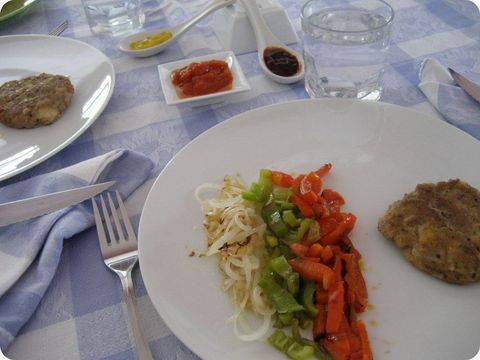
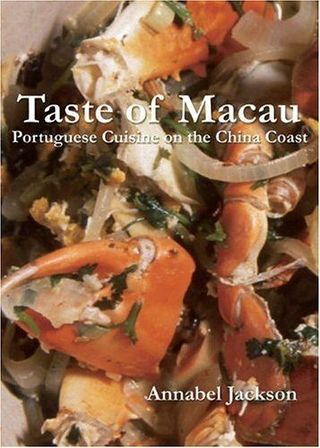
Over 450 years ago, the Portuguese landed in what was to be the first European colony in Asia, Macau, bringing their culture and their cuisine. This lavishly illustrated cookbook is the first to introduce to the English-speaking world one of the oldest "fusion" cuisines in Asia. It includes 62 recipes, most of which are straight from the source--old family recipe collections or the files of influential Macanese chefs. This book comes at an important time--just after the handover in 1999 of Macau from Portuguese to Chinese rule--a time when most of the Portuguese community is leaving Macau and authentic Macanese culture and way of life seems doomed to rapidly disappear. Thus, this book is much more than a cookbook--it is a project to preserve and share, for the first time, a very important aspect of the Macanese world. The author has spent almost ten years collecting and testing these heritage recipes, getting in touch with the Macanese diaspora, and asking them to reflect back and write about food in Macau.
Story
About this book
Macau became the first European colony in Asia when the Portuguese settled there over 450 years ago. The long coexistence of Portuguese and Chinese communities produced a distinct local cuisine, one of the earliest examples of what is now called fusion cooking in Asia. Annabel Jackson's Taste of Macau collects 62 recipes drawn from old family collections and from the files of established Macanese chefs, presenting them to an English-speaking audience for the first time.
The book was compiled shortly after the 1999 handover of Macau from Portuguese to Chinese sovereignty, a period when much of the Portuguese-speaking community was leaving the territory. Jackson spent close to ten years gathering and testing recipes, contacting members of the Macanese diaspora and asking them to write about food and its place in their lives. The result functions both as a practical cookbook, with illustrated step-by-step guidance, and as a record of domestic cooking traditions that were at risk of being lost as families dispersed.
Dishes in the collection reflect the layered history of a port city shaped by trade routes linking Lisbon, Goa, Malacca, and the South China coast. Ingredients and techniques from each of these regions appear side by side in recipes passed through generations of Macanese households.