Mendelssohn Is on the Roof
SynopsisPlot
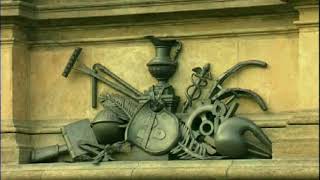
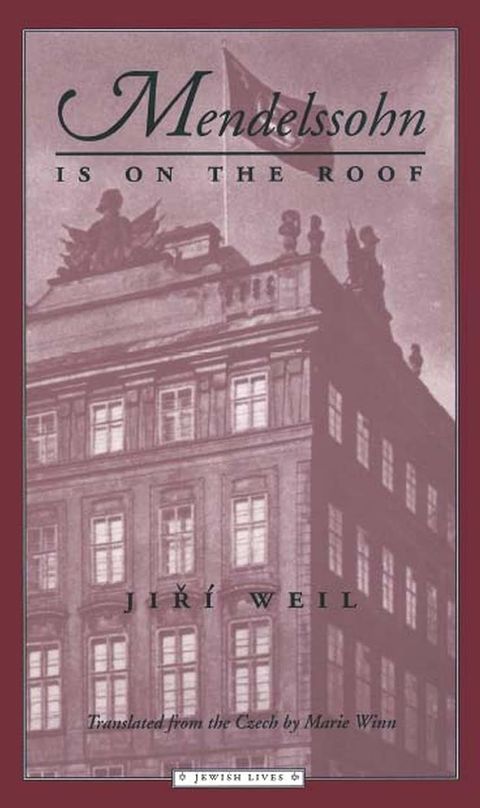
Julius Schlesinger, aspiring SS officer, has received orders to remove from the roof of Prague's concert hall the statue of the Jewish composer Felix Mendelssohn. But which of the figures adorning the roof is the Jew? Remembering his course on racial science, Schlesinger instructs his men to pull down the statue with the biggest nose. Only as the statue they have carefully chosen begins to topple does he recognize that it is not Mendelssohn; it is Richard Wagner. Thus begins a story of disarming simplicity that traces the transformation of ordinary lives in Nazi-occupied Prague. Death abetted by the petty malevolence of Nazi functionaries wins all the battles but ultimately loses the war, defeated by the fragile flowering of courage and defiance.
Story
About this book
The novel opens with a darkly comic scene on the roof of Prague's concert hall. An SS officer named Julius Schlesinger is ordered to remove the statue of Felix Mendelssohn, a composer targeted because of his Jewish heritage. Unable to identify which figure is Mendelssohn among the rooftop statues, Schlesinger falls back on the crude logic of Nazi racial theory and instructs his workers to take down the one with the largest nose. The statue they begin to topple turns out to be Richard Wagner, a composer celebrated by the Nazi regime.
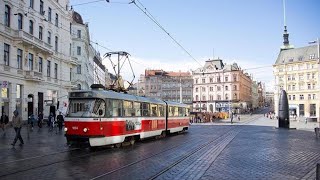
From this absurd opening, Jiří Weil follows the lives of ordinary people in Prague under German occupation. The story traces how bureaucratic cruelty and petty authority reshape daily existence, turning minor officials into instruments of persecution and forcing others into difficult choices about resistance and survival. Weil, who lived through the occupation himself, sets these events against the specific streets and institutions of wartime Prague.
The book balances its satirical edge with a close attention to fear, loss, and small acts of defiance. Weil's writing treats the machinery of occupation not as distant history but as something enacted by recognizable people in familiar surroundings, where absurdity and danger sit side by side.