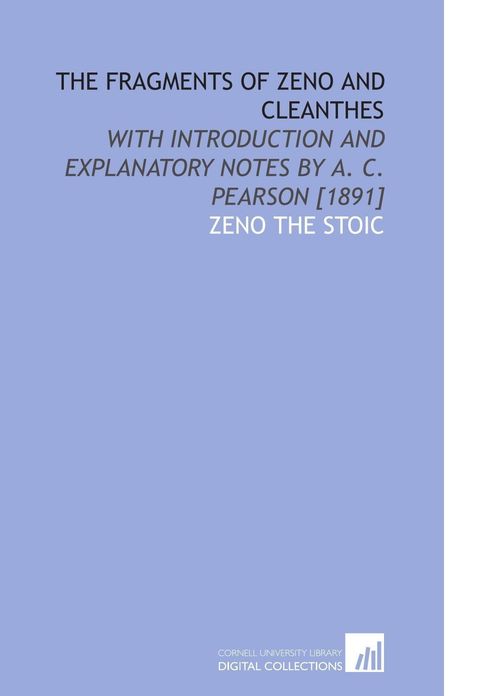
The Fragments of Zeno and Cleanthes
SynopsisPlot
Originally published in 1891. This volume from the Cornell University Library's print collections was scanned on an APT BookScan and converted to JPG 2000 format by Kirtas Technologies. All titles scanned cover to cover and pages may include marks notations and other marginalia present in the original volume.
Story
About this book
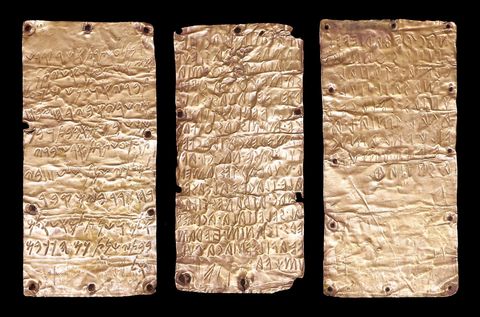
Zeno of Citium, born around 334 BCE on the island of Cyprus, founded the school of philosophy that came to be known as Stoicism. He reportedly began teaching at the Stoa Poikile, a painted colonnade in the Athenian agora, which gave the movement its name. Cleanthes of Assos succeeded Zeno as head of the school and continued to develop its teachings. Neither philosopher left behind complete surviving works. What remains are fragments: short quotations, paraphrases, and summaries preserved by later ancient writers.
This volume collects those surviving fragments and presents them together. It was originally published in 1891, and the edition described here is a digital reproduction from the Cornell University Library's print collections. The scan was made using an APT BookScan device, so pages may carry marks, marginal notes, and other traces left by previous readers or owners over more than a century of handling.
The fragments cover topics central to early Stoic thought, including logic, physics, ethics, and the idea that virtue is the sole true good. Because the original texts are lost, these collected pieces serve as one of the few direct windows into what Zeno and Cleanthes actually argued. Readers of later Stoics such as Epictetus or Marcus Aurelius can find here the roots of ideas those writers expanded.