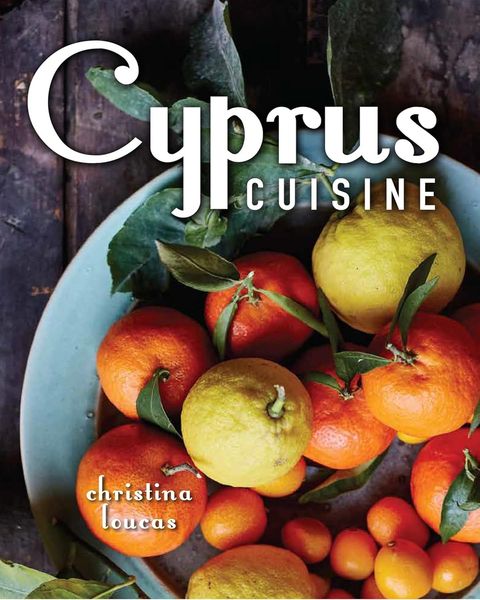
Cyprus Cuisine
SynopsisPlot
Many Cypriot families still make home-made olive oil every year, and neighbors regularly exchange excess bounty of homegrown fruits and vegetables, including pomelo, grapes carobs, figs, oranges, lemons, cantaloupe, bergamot, medlars, almonds, kumquats, cactus pears, and, of course, olives. Most Cypriot dishes are not particularly hot or spicy, though there is ample use of local herbs such as wild oregano, rosemary, mint, parsley, basil, cinnamon and coriander. Spices such as allspice, cloves, mastic and mehleb powders can be found in many sweets and baked goods.
Story
About this book
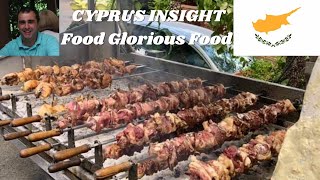
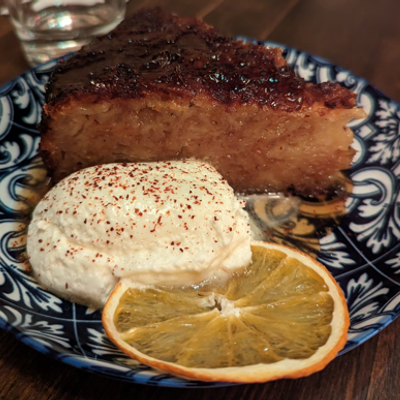
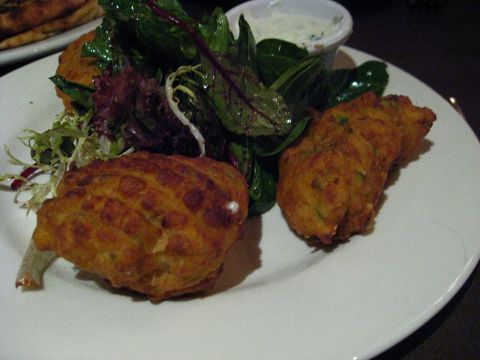
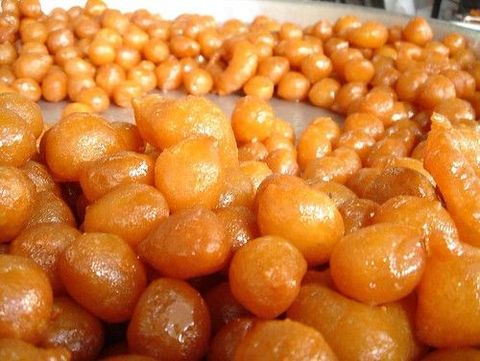
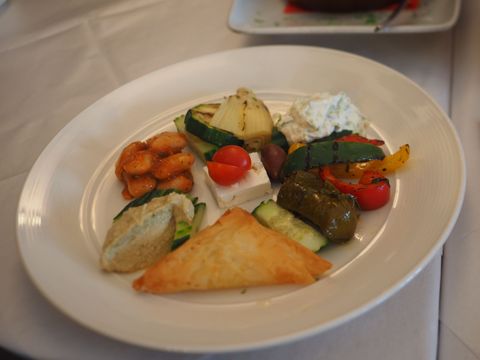
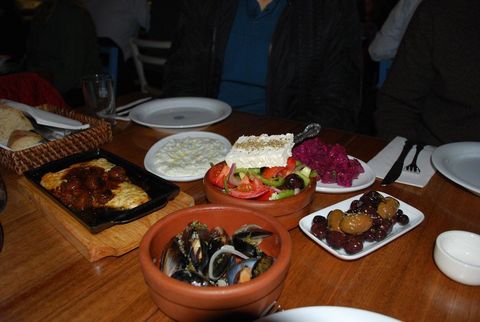
Cyprus Cuisine by Christina Loucas gathers more than 75 recipes from the island, illustrated in full colour. They cover a wide span of the Cypriot table: drinks, soups, salads, small bites, breads and pastries, pickles, dips, main courses, and desserts. Many Cypriot families still make their own olive oil each year, and neighbours pass along surplus homegrown fruit, from pomelo and figs to carobs, kumquats, and cactus pears.
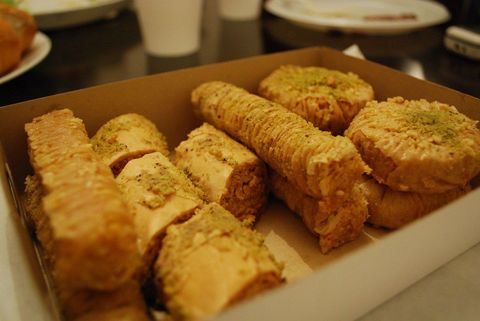
Cypriot cooking tends toward mild, aromatic flavours rather than heat. Wild oregano, rosemary, mint, parsley, basil, cinnamon, and coriander appear often in savoury dishes, while sweets and baked goods call for allspice, cloves, mastic, and mehleb powder. Mastic is a resin from a Mediterranean shrub, and mehleb is ground from the seeds of a wild cherry. Both are familiar in eastern Mediterranean baking.
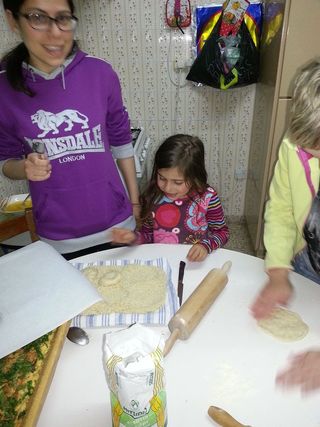
Cyprus sits in the eastern Mediterranean, nearer to the coasts of Turkey and Syria than to mainland Greece. The warm climate supports that long list of fruit and herbs, and the island's position between Greece, Turkey, and the Levant is visible in the pantry. Read together, the chapters sketch home cooking on an island where passing food between households remains ordinary.