The Hunchback of Notre Dame
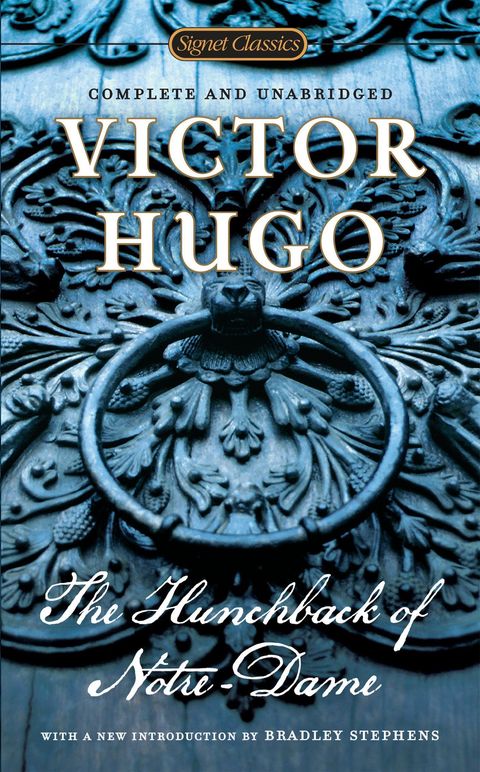
SynopsisPlot
Victor Hugo unfolds the haunting drama of Quasimodo, the hunchback; Esmeralda, the gypsy dancer; and Claude Frollo, the priest tortured by the specter of his own damnation. Shaped by a profound sense of tragic irony, it is a work that gives full play to the author’s brilliant imagination and his remarkable powers of description.
Story
About this book
Victor Hugo published The Hunchback of Notre Dame in 1831, setting the story in medieval Paris around the cathedral of Notre-Dame. At that time, the real cathedral was deteriorating, and Hugo used the novel in part to draw public attention to the building and to Gothic architecture more broadly. The plot centers on Quasimodo, a deaf bell-ringer who lives in the cathedral's towers, Esmeralda, a young Romani dancer in the streets below, and Claude Frollo, an archdeacon whose obsession with Esmeralda drives him toward cruelty.
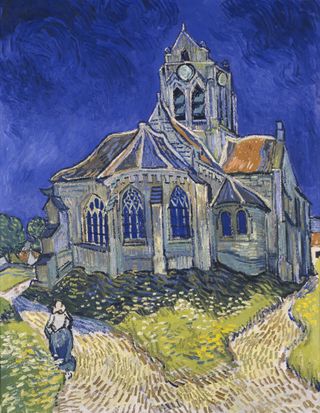
The cathedral itself functions almost as a character in the novel. Hugo describes its stonework, gargoyles, and interior spaces in extended passages that anchor the human drama to a specific place. Frollo's inner conflict between religious duty and destructive desire sets the story's tensions in motion, pulling Quasimodo and Esmeralda into danger. The social world around them, including the crowded streets, the courts, and the cathedral's sanctuary traditions, shapes what choices each character can and cannot make.
Hugo wrote the book during a period of active debate in France about preserving historic buildings. The novel contributed to a shift in public opinion that eventually led to major restoration work on Notre-Dame, overseen by the architect Eugène Viollet-le-Duc beginning in the 1840s.