Jane Eyre
SynopsisPlot
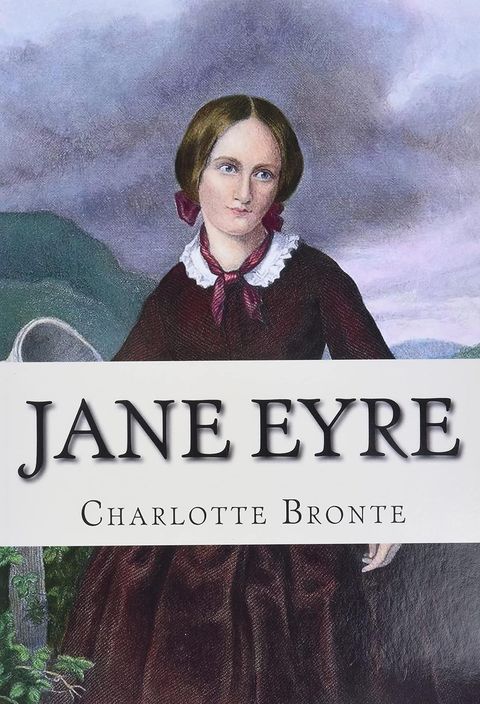
Primarily of the bildungsroman genre, Jane Eyre follows the emotions and experiences of its title character, including her growth to adulthood, and her love for Mr. Rochester, the byronic master of fictitious Thornfield Hall. In its internalisation of the action — the focus is on the gradual unfolding of Jane's moral and spiritual sensibility and all the events are coloured by a heightened intensity that was previously the domain of poetry — Jane Eyre revolutionised the art of fiction.
Story
About this book
Jane Eyre, published in 1847 under the pen name Currer Bell, follows its narrator from a difficult childhood through adolescence and into adult life. As a young orphan living at Gateshead Hall in the north of England, Jane endures mistreatment from her aunt and cousins before being sent to Lowood School. There she finds both friendship and hardship, and eventually qualifies as a teacher and governess.
Her position at Thornfield Hall introduces her to Edward Rochester, the estate's moody and compelling master. The relationship between governess and employer becomes the novel's central tension, shaped by differences in wealth, social standing, and temperament. Charlotte Brontë grounds the story in Jane's inner life, filtering every scene through her moral awareness and emotional responses. This internal focus was unusual for fiction at the time and gave the narrative a concentrated intensity closer to poetry than to the social novels of its era.
Later chapters follow Jane away from Thornfield and into the household of the Rivers family, where the clergyman St John Rivers presents her with a very different kind of future. The novel traces Jane's repeated confrontations with dependence, conscience, and self-respect across each stage of her life.