To Kill a Mockingbird
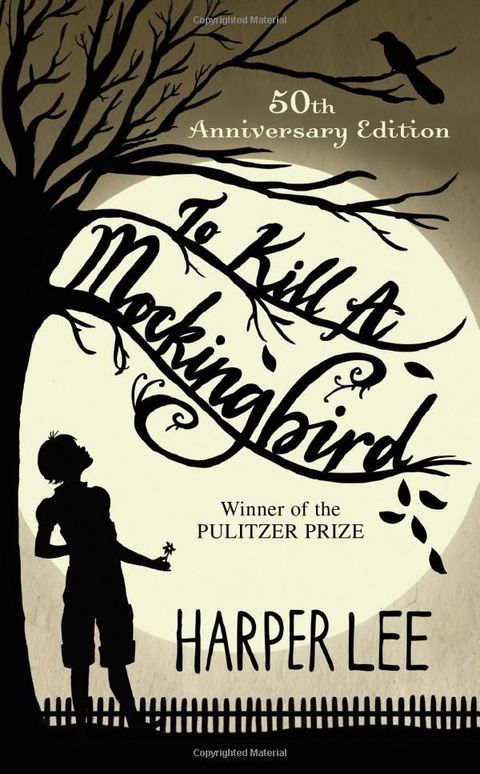
SynopsisPlot
Compassionate, dramatic, and deeply moving, To Kill A Mockingbird takes readers to the roots of human behavior - to innocence and experience, kindness and cruelty, love and hatred, humor and pathos. Now with over 18 million copies in print and translated into forty languages, this regional story by a young Alabama woman claims universal appeal.
Story
About this book
Set in a small Alabama town during the mid-1930s Depression years, To Kill a Mockingbird follows Scout Finch, a young girl growing up with her brother Jem and their father Atticus, a local lawyer. When Atticus agrees to defend Tom Robinson, a Black man accused of raping a white woman, the family moves to the center of the town's racial tensions. Scout narrates, and her observations record how the adults around her explain themselves.
Harper Lee, an Alabama writer, published the novel in 1960, and it sold strongly from the start. The story sits in a South divided by rigid rules of race and class, where those divisions shaped courtrooms, schoolyards, and ordinary talk between neighbours alike. Lee places humour beside serious material, letting Scout's voice hold both confusion and unusual clarity as she meets situations she cannot yet explain.
Atticus's decision sets his household at odds with much of the community, and the book follows the pressures that fall on the Finch children as well as on their father. Since publication the novel has been translated into more than forty languages and has sold tens of millions of copies worldwide. An American film adaptation followed in 1962.