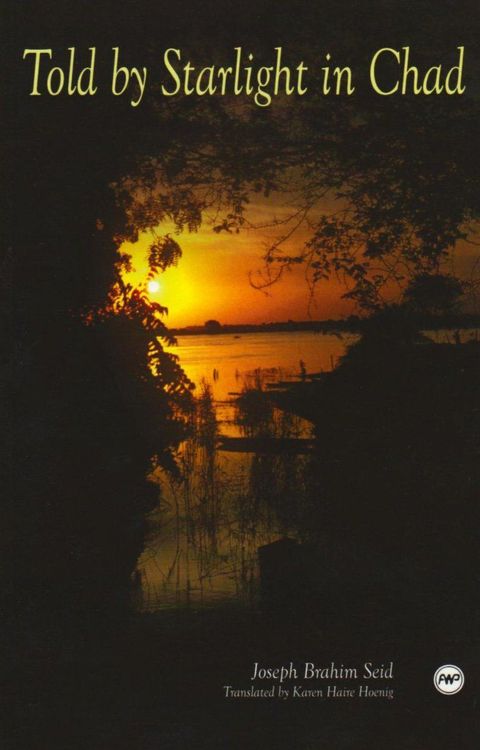
Told by Starlight in Chad
SynopsisPlot
"In the evening, there are traditional games. Excitement fills the air; a tumult is unleashed. The drums reverberate, roar, summon to the dance. Their staccato boom echoes through the savannah and over the rolling, sandy hills. The young perform war dances, competing in strength, agility and skill. Simulating combat, they brandish their assegais, crouch, rise up and face off in rapid succession. They stamp the ground furiously with their feet: a cloud of dust envelops them in a tremendous halo of glory. All this time, the tom-toms are vibrating, their frenzy marvelously matching the dancers movements. Rhythm of life, captivating, lyrical, spellbinding magic! With fertile, protean imagination, griot and bard recite the prowess and deeds of their distant ancestors or sing of the beauty and charms of their betrothed." Romantized scenes from Seid's boyhood, like the festival depicted here, as well as stories from the golden age of empires and other timeless tales in this collection evoke positive images of Chad and Africa more generally. African readers, young and old, regardless of locality, will hear echoes of the folktales, fables, and legends narrated by their grandmothers of an evening under the stars or by the fireside.
Story
About this book
Told by Starlight in Chad gathers stories by Joseph Brahim Seid, drawing on folktales, fables, legends, and remembered scenes from his own boyhood. The book moves between savannah and rolling sandy hills, placing festivals and communal gatherings beside tales from an earlier age of empires. Seid attends to sound and movement: drums calling dancers, feet striking the ground, dust rising around young people competing in strength, agility, and skill.
A steady presence in the collection is the griot, the West and Central African oral historian and singer who keeps the deeds of ancestors alive through recitation. Seid sets such voices near the centre of his pages, alongside songs about betrothed sweethearts, so the written stories carry the shape of telling heard at night beside a fire.
The record notes the book's use in literature classrooms at secondary and higher levels, where Seid's imagery is expected to connect with African learners from comparable social and historical settings. The tone throughout is affirming rather than critical, presenting Chad and the wider continent through ceremony, ancestry, and memory passed between generations.