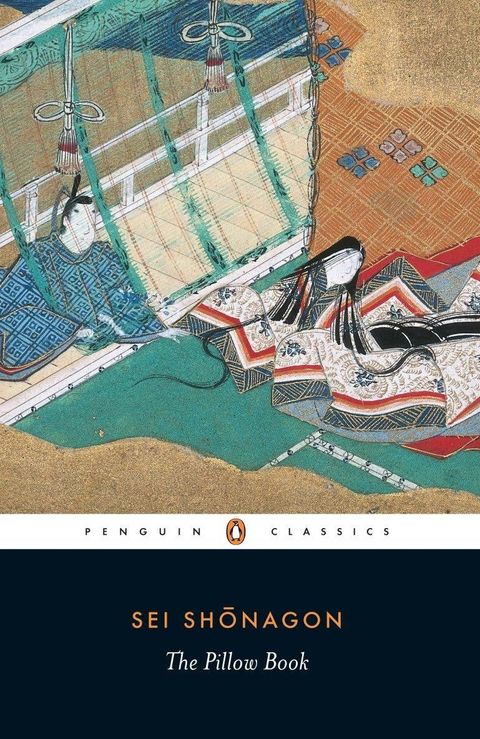
The Pillow Book
SynopsisPlot
Written by the court gentlewoman Sei Shonagon, ostensibly for her own amusement, The Pillow Book offers a fascinating exploration of life among the nobility at the height of the Heian period, describing the exquisite pleasures of a confined world in which poetry, love, fashion, and whim dominated, while harsh reality was kept firmly at a distance. Moving elegantly across a wide range of themes including nature, society, and her own flirtations, Sei Shonagon provides a witty and intimate window on a woman's life at court in classical Japan.
Story
About this book
Sei Shonagon wrote The Pillow Book during the late 990s and early 1000s while serving as a gentlewoman at the imperial court in Heian-kyo, the city now known as Kyoto. The text is not a diary in a strict sense but a loose collection of observations, lists, anecdotes, and personal reflections assembled over several years. Shonagon recorded what she found delightful or irritating, from the sound of rain on a summer night to an awkward visitor who overstays a welcome.
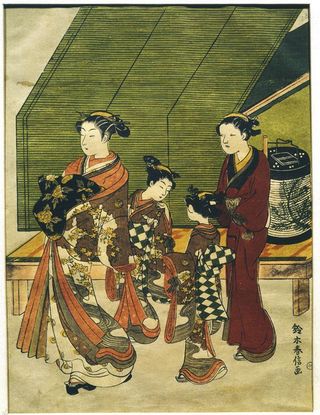
Court life during the Heian period placed enormous value on aesthetic sensitivity. A person's standing could rise or fall based on the quality of a poem composed on the spot or the color combination chosen for layered robes. Shonagon writes from inside this world with sharp attention, cataloguing moments of elegance and social misstep alike. Her lists, such as things that make the heart race or things that are near yet far, give a compressed view of how the court measured the world around it.
The book also reflects limits. The nobility Shonagon describes occupied a small district of the capital, and much of ordinary Japanese life falls outside her frame. That narrowness is itself part of the record, showing how completely the court's rituals and aesthetics could fill a person's daily horizon.