My Name Is Red
SynopsisPlot
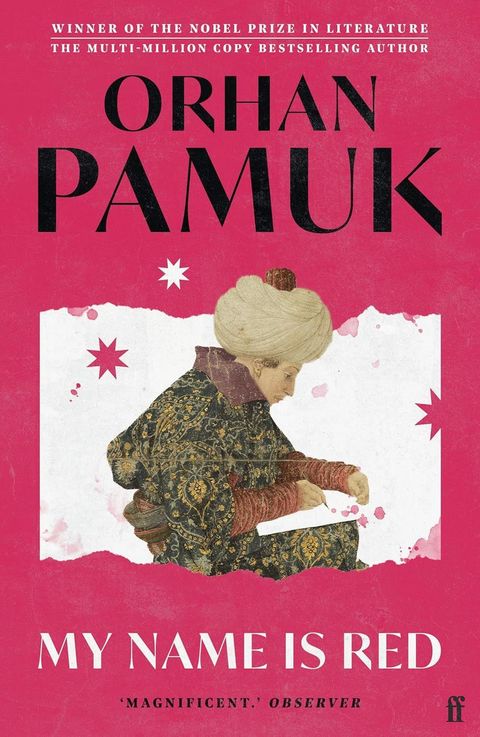
My Name is Red is an unforgettable murder mystery, set amid the splendor of sixteenth-century Istanbul, from the Nobel prizewinning author In the late 1590s, the Sultan secretly commissions a great book: a celebration of his life and his empire, to be illuminated by the best artists of the day - in the European manner. At a time of violent fundamentalism, however, this is a dangerous proposition. Even the illustrious circle of artists are not allowed to know for whom they are working. But when one of the miniaturists is murdered, their Master has to seek outside help. Did the dead painter fall victim to professional rivalry, romantic jealousy or religious terror?
Story
About this book
In late sixteenth-century Istanbul, the Ottoman Sultan commissions a secret illustrated book celebrating his reign and empire. The work is to be painted by the finest miniaturists of the era, but with a controversial instruction: the illustrations should follow European artistic conventions rather than traditional Ottoman methods. At a time when such stylistic choices carry serious religious and political risk, even the artists themselves are kept in the dark about who has ordered the project. When one of the miniaturists is found dead, the head of the workshop must turn to an outsider for help uncovering the killer.
The novel unfolds through multiple narrators, including the living, the dead, and even objects and colors. Each voice offers a different angle on the events surrounding the murder and the endangered book. Through these perspectives, Orhan Pamuk explores the collision between Ottoman and European traditions of representation, the meaning of artistic originality versus faithful imitation, and the personal entanglements of love and jealousy among the characters.
The story is set against the documented tension within Ottoman culture over figurative painting and Western influence during the reign of Sultan Murat III. Pamuk, who received the Nobel Prize in Literature, grounds the plot in the real artistic practices of Ottoman miniature painters and the workshops where they trained and competed.