The Great Gatsby
SynopsisPlot
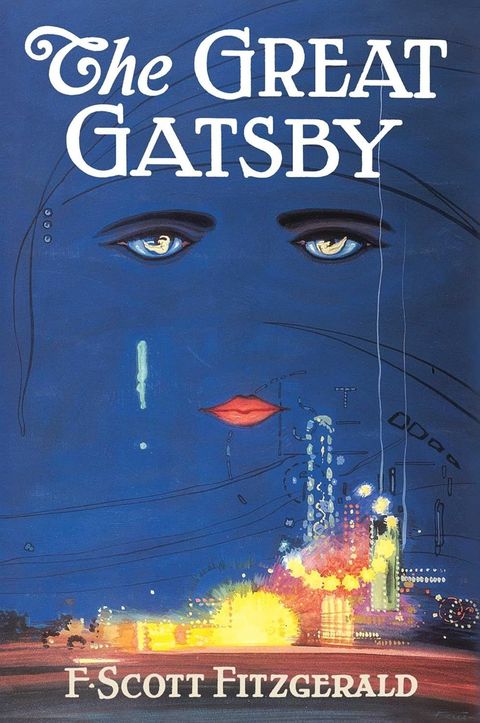
The Great Gatsby, F. Scott Fitzgerald’s third book, stands as the supreme achievement of his career. First published by Scribner in 1925, this quintessential novel of the Jazz Age has been acclaimed by generations of readers. The story of the mysteriously wealthy Jay Gatsby and his love for the beautiful Daisy Buchanan is an exquisitely crafted tale of America in the 1920s.
Story
About this book
F. Scott Fitzgerald's third novel, first published by Scribner in 1925, is set on Long Island and in New York City during the summer of 1922. The story follows Jay Gatsby, a young man of mysterious wealth who hosts lavish parties at his mansion in West Egg, a fictional village on Long Island's North Shore. Gatsby's neighbor, Nick Carraway, narrates the events of that summer as Gatsby attempts to reunite with Daisy Buchanan, a married woman he loved years earlier.
Daisy lives across the bay in the more fashionable East Egg with her husband Tom, a former college athlete from a wealthy family. The geography of the novel matters: the distinction between old money in East Egg and new money in West Egg, the ash heaps of the valley between Long Island and Manhattan, and the glittering city itself all carry weight in the story. Fitzgerald uses these spaces to examine class division, aspiration, and self-invention in 1920s America.
The novel is brief, running to fewer than fifty thousand words, and its narrator occupies a careful position as both participant and observer. Fitzgerald completed it while living in France, drawing on his own experiences in the social world of the American Northeast.