Pygmalion
SynopsisPlot
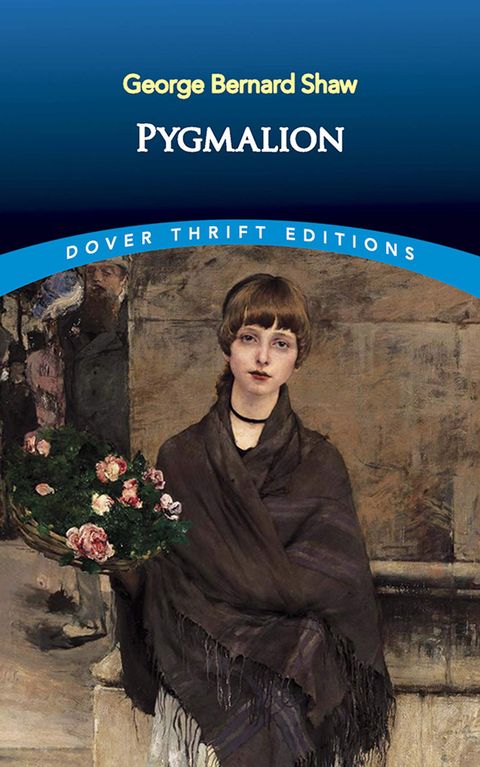
In Shaw's clever adaptation, Professor Henry Higgins, a linguistic expert, takes on a bet that he can transform an awkward cockney flower seller into a refined young lady simply by polishing her manners and changing the way she speaks. In the process of convincing society that his creation is a mysterious royal figure, the Professor also falls in love with his elegant handiwork.
Story
About this book
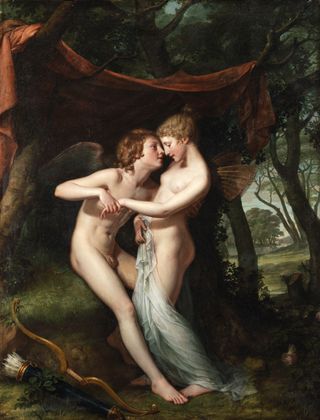
Pygmalion is a five-act play by George Bernard Shaw, first staged in the early twentieth century. It reworks the ancient Greek myth of Pygmalion, a sculptor who falls in love with a statue he has carved, transplanting the story into Edwardian London. Professor Henry Higgins, a specialist in phonetics, wagers that he can turn Eliza Doolittle, a cockney flower seller, into someone who could pass for a duchess at a society gathering. His method is purely linguistic: replace her accent, correct her grammar, and drill her in the manners expected of the upper class.
Shaw uses the bet as a frame for examining the British class system. The play asks how much of social standing depends on birth and how much on speech, dress, and learned behaviour. Eliza is not simply a passive subject in the experiment. As her confidence and self-awareness grow, tensions develop between her and Higgins over who she is becoming and what she owes to him.
The play became a successful London and New York stage production and was later adapted into the 1964 musical My Fair Lady. Shaw himself wrote a screenplay version that reached cinemas during the 1930s. It remains one of the most frequently performed English-language comedies in theatre programs and university drama courses.