A Doll's House
SynopsisPlot
The play is significant for its critical attitude toward 19th-century marriage norms. It aroused great controversy at the time, as it concludes with the protagonist, Nora, leaving her husband and children because she wants to discover herself. Ibsen was inspired by the belief that "a woman cannot be herself in modern society," since it is "an exclusively male society, with laws made by men and with prosecutors and judges who assess feminine conduct from a masculine standpoint."
Story
About this book
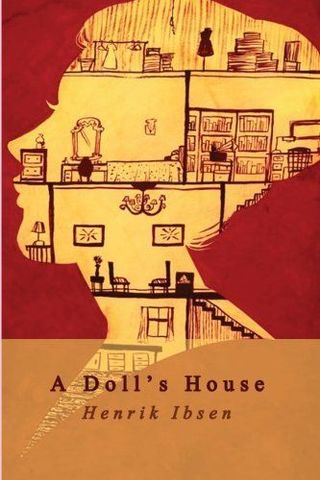
A Doll's House is a three-act prose play by Henrik Ibsen, first published in 1879 under the Norwegian title Et dukkehjem. It follows Nora Helmer, a married woman in a comfortable middle-class household with her husband Torvald and their children. At the start she seems settled in her domestic role, managing the small performances that keep the home running smoothly.
Across the three acts, a secret from Nora's past presses on the marriage and exposes how little legal and financial standing she holds. Ibsen built the drama around the distance between social expectation and private self. He described his starting point as the idea that a woman cannot be herself in a society whose laws and judgments are made by men.
The ending caused loud argument when the play reached stages across Europe, and some productions were performed with an altered final scene, a change Ibsen resisted. Its criticism of nineteenth-century marriage norms placed it at the centre of public debate about women's independence, and it has stayed in theatre repertoires ever since, translated also as A Doll House.