Growth Of The Soil
SynopsisPlot
Stylistically it has a simplicity that reflects its subject matter and there prevails what Worster calls a "Miltonic monumental calm". Hamsun also has the qualities of a Norwegian Steinbeck in his tale of the tragedies and joys of everyday life. There are also 'Bergmanesque' elements in its blacker episodes
Story
About this book
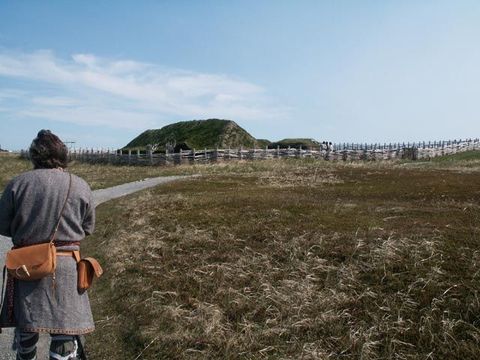
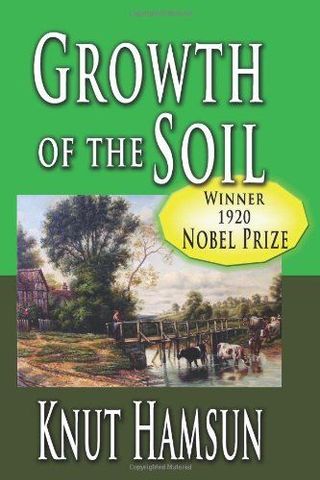
Growth of the Soil, published in 1917 under its Norwegian title Markens Grøde, follows a man named Isak who walks into an unpopulated stretch of northern Norwegian wilderness and begins clearing land. He builds a turf hut, breaks the soil, and starts farming. A woman named Inger eventually arrives and stays, and together they establish a small holding that grows over the years into something more permanent. The novel tracks decades of their life on this patch of ground, through births, losses, difficult seasons, and the slow arrival of neighbors and outside society.
The prose style is notably plain, shaped to fit its subject. Hamsun writes about plowing, sowing, milking, and building with close attention and without ornament. Alongside these routines, darker episodes surface, including acts driven by shame, isolation, and the pressures that modernity places on rural communities. The story moves between stretches of steady agricultural labor and sudden disruptions that test the people living on the land.
Hamsun received the Nobel Prize in Literature in 1920, and Growth of the Soil was cited as a central work in that award. The novel is set in a landscape that reflects the sparse, forested interior of northern Norway, far from the coast and from any town of consequence.