Max Havelaar
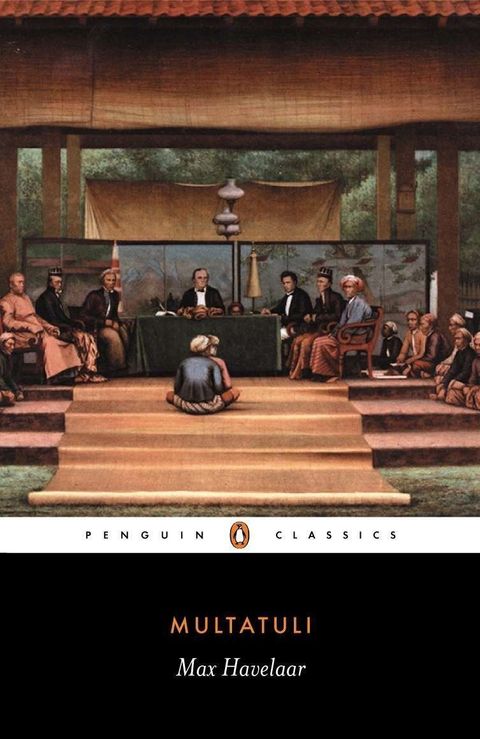
SynopsisPlot
Max Havelaar—a Dutch civil servant in Java—burns with an insatiable desire to end the ill-treatment and oppression inflicted on the native peoples by the colonial administration. Max is an inspirational figure, but he is also a flawed idealist whose vow to protect the Javanese from cruelty ends in his own downfall. In Max Havelaar, Multatuli (pseudonym for Eduard Douwes Dekker) vividly recreated his own experiences in Java and tellingly depicts the hypocrisy of those who gained from the corrupt coffee trade. Sending shockwaves through the Dutch nation when it was published in 1860, this damning exposé of the terrible conditions in the colonies led to welfare reforms in Java and continues to inspire the Fairtrade movement today.
Story
About this book
Max Havelaar, first published in 1860, is a novel by Eduard Douwes Dekker, who wrote under the pen name Multatuli. The book draws on Dekker's own years as a colonial civil servant in Java, then part of the Dutch East Indies. Its subtitle points to coffee auctions and a Dutch trading company, naming the commerce that surrounds the story.
The story begins with a comfortable Amsterdam coffee broker before moving to Java, where the title character, a Dutch official, confronts the ill-treatment of local people under colonial administration. Havelaar acts from a fierce sense of justice, yet he is drawn as a flawed idealist whose stand against corruption carries a heavy personal cost. The layered narration keeps profit in Europe and conditions in the colony side by side.
Publication in 1860 caused a strong public reaction in the Netherlands and helped shift official thinking about the Dutch East Indies, contributing to welfare reforms in Java. The famous first line, spoken by the broker on the Lauriergracht in Amsterdam, is still widely quoted in Dutch. The name Max Havelaar was later taken up by fair-trade labelling in Europe.