Chronicles of Majnun Layla and Selected Poems
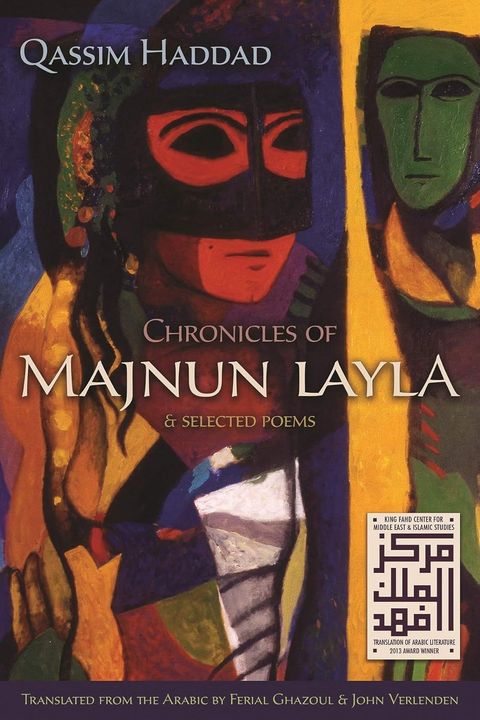
SynopsisPlot
The central poem, Chronicles of Majnun Layla, recasts the seventh-century myth into a contemporary, postmodern narrative that revels in the foibles of oral transmission, weaving a small side cast of characters into the fabric of the poem. Haddad portrays Layla as a daring woman aware of her own needs and desires and not afraid to articulate them. The author succeeds in reviving this classical work of Arabian love while liberating it from its puritanical dimension and tribal overtones.
Story
About this book
Chronicles of Majnun Layla and Selected Poems collects work by Bahraini poet Qassim Haddad, combining a long central poem with a selection spanning roughly four decades of his writing. The title piece reworks the old Arabic story of Majnun and Layla, a tale of obsessive, unrequited love that dates back to at least the seventh century and has been retold across Persian, Turkish, and South Asian literary traditions for centuries.
In Haddad's version, the familiar narrative is reshaped through a postmodern lens. The poem plays with the idea of oral transmission itself, acknowledging how stories shift and fracture as they pass between tellers. A small cast of secondary characters appears alongside the central figures, and Layla is given a more active presence than in many earlier tellings. She is portrayed as someone conscious of her own desires and willing to voice them, a departure from versions that kept her largely silent or idealized. The poem steps away from the tribal and moralistic framing that marked older retellings.
The accompanying selection of shorter poems offers a broader view of Haddad's concerns and style across different periods. Together, the two parts of the volume place a single ambitious rewriting alongside the wider body of work from which it grew.