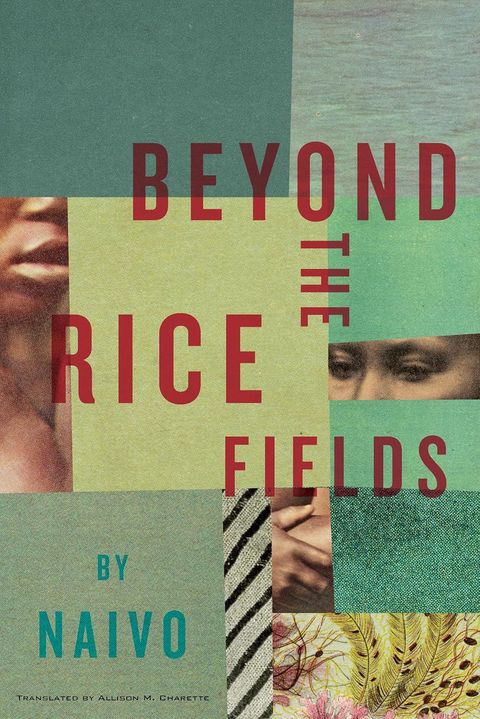
Beyond the Rice Fields
SynopsisPlot
Fara and her father’s slave, Tsito, have been close since her father bought the boy after his forest village was destroyed. Now in Sahasoa, amongst the cattle and rice fields, everything is new for Tsito, and Fara at last has a companion. But as Tsito looks forward to the bright promise of freedom and Fara, backward to a dark, long-denied family history, a rift opens between them just as British Christian missionaries and French industrialists arrive and violence erupts across the country. Love and innocence fall away, and Tsito and Fara’s world becomes enveloped by tyranny, superstition, and fear.
Story
About this book
Beyond the Rice Fields, written by Naivo, follows two young people in nineteenth-century Madagascar. Fara is the daughter of a local family, and Tsito is a boy her father purchased as a slave after the destruction of his forest village. Growing up together in the settlement of Sahasoa, surrounded by cattle and rice cultivation, they form a close bond. Tsito looks ahead toward the possibility of freedom, while Fara is pulled back toward a family history she has long avoided.
As the story develops, outside forces press into the country. British Christian missionaries and French industrialists arrive with competing interests, and political violence spreads across the island. The relationship between Fara and Tsito fractures under these pressures, shaped by questions of status, belief, and belonging. The novel addresses the entanglement of personal lives with larger historical disruptions, including the slave trade, foreign intervention, and the internal power struggles of the Malagasy kingdom.
The book is noted as the first novel from Madagascar to be translated into English. It was translated from the original French and offers a rare fictional account of a period in Malagasy history that remains little known outside the island.