The Happiest Man on Earth
SynopsisPlot
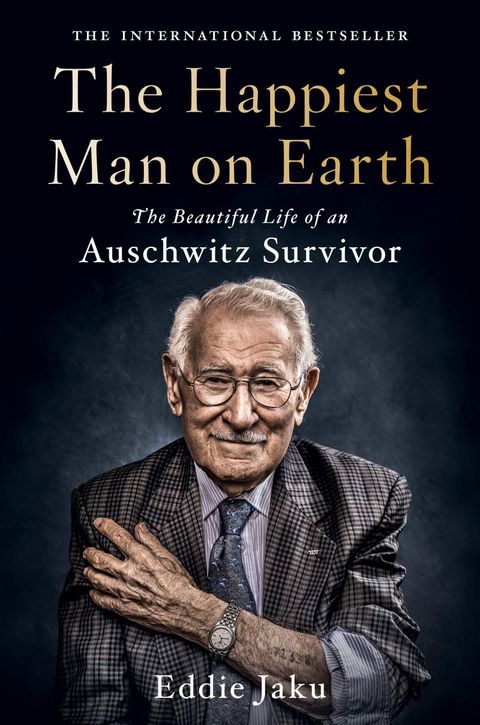
Born in Leipzig, Germany, into a Jewish family, Eddie Jaku was a teenager when his world was turned upside-down. On November 9, 1938, during the terrifying violence of Kristallnacht, the Night of Broken Glass, Eddie was beaten by SS thugs, arrested, and sent to a concentration camp with thousands of other Jews across Germany. Every day of the next seven years of his life, Eddie faced unimaginable horrors in Buchenwald, Auschwitz, and finally on a forced death march during the Third Reich’s final days. The Nazis took everything from Eddie—his family, his friends, and his country. But they did not break his spirit. Against unbelievable odds, Eddie found the will to survive. Overwhelmingly grateful, he made a promise: he would smile every day in thanks for the precious gift he was given and honor the six million Jews murdered by Hitler. Today, at 100 years of age, despite all he suffered, Eddie calls himself the “happiest man on earth.”
Story
About this book
Eddie Jaku was born into a Jewish family in Leipzig, Germany. As a teenager on November 9, 1938, during the organized violence known as Kristallnacht, he was beaten, arrested, and sent to a concentration camp. Over the following seven years, he endured imprisonment in Buchenwald and Auschwitz before being forced onto a death march in the final period of the war. He lost family members, friends, and his connection to the country where he had grown up.
Jaku survived, and after the war he eventually settled in Australia, where he became a public speaker and educator about the Holocaust. This memoir, written when he was around 100 years old, recounts what happened to him during those years and describes the promise he made to himself afterward: to appreciate each day he had been given and to remember the six million Jewish people who were killed.
The book sits alongside other well-known accounts by survivors who chose to write about meaning and gratitude after extreme loss. Jaku's perspective is shaped by decades of distance from the events he describes, and by a long life lived in a country far from the one where his story began.