In Cold Blood
SynopsisPlot
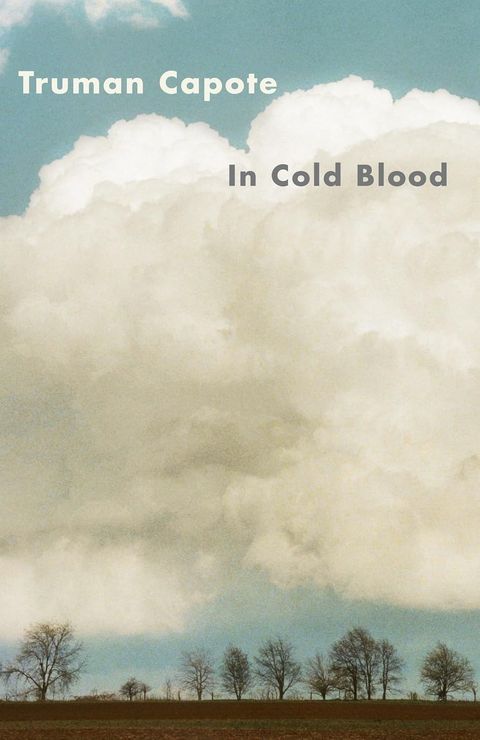
On November 15, 1959, in the small town of Holcomb, Kansas, four members of the Clutter family were savagely murdered by blasts from a shotgun held a few inches from their faces. There was no apparent motive for the crime, and there were almost no clues. In one of the first non-fiction novels ever written, Truman Capote reconstructs the murder and the investigation that led to the capture, trial, and execution of the killers, generating both mesmerizing suspense and astonishing empathy.
Story
About this book
On November 15, 1959, two men entered a farmhouse outside Holcomb, Kansas, and killed four members of the Clutter family. Herbert Clutter was a prosperous wheat farmer, well known and respected in the area. No clear motive connected the victims to their killers, and investigators initially had very little to work with. Truman Capote traveled to Kansas shortly after the murders and spent years reporting on the case, interviewing residents, law enforcement officers, and eventually the two men charged with the crime.
Capote structured the resulting book by alternating between the everyday life of the Clutter family before the killings and the movements of the perpetrators in the days leading up to that night. He then follows the long investigation, the capture, the trial, and its aftermath. The writing applies novelistic techniques to documented events, building scenes from interviews and court records rather than invention. Capote described the work as a nonfiction novel, a label that sparked considerable debate about where journalism ends and literature begins.
Holcomb sits in Finney County in the flat wheat-growing plains of western Kansas. The community's small size and relative isolation are central to the book's atmosphere, shaping both the shock of the crime and the texture of the investigation that followed.