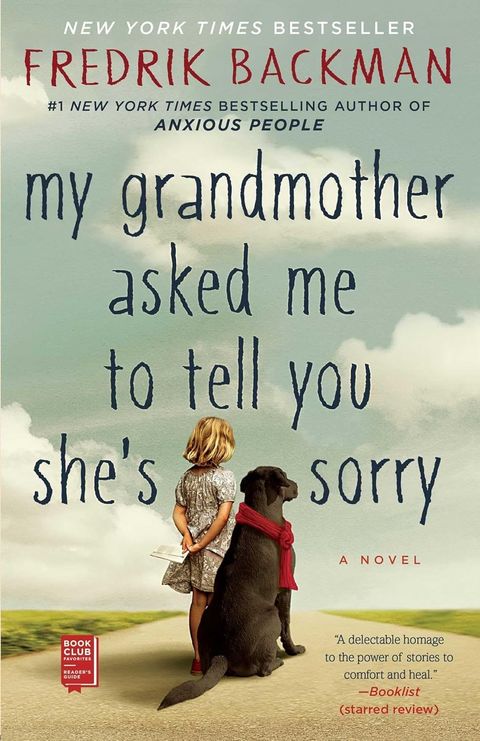
My Grandmother Asked Me to Tell You She's Sorry
SynopsisPlot
Elsa is seven years old and different. Her grandmother is seventy-seven years old and crazy—as in standing-on-the-balcony-firing-paintball-guns-at-strangers crazy. She is also Elsa’s best, and only, friend. At night Elsa takes refuge in her grandmother’s stories, in the Land-of-Almost-Awake and the Kingdom of Miamas, where everybody is different and nobody needs to be normal. When Elsa’s grandmother dies and leaves behind a series of letters apologizing to people she has wronged, Elsa’s greatest adventure begins. Her grandmother’s instructions lead her to an apartment building full of drunks, monsters, attack dogs, and old crones but also to the truth about fairy tales and kingdoms and a grandmother like no other.
Story
About this book
Elsa is seven, sharp-minded, and mostly friendless at school. Her closest companion is her seventy-seven-year-old grandmother, who fires paintball guns from her balcony and tells elaborate bedtime stories set in imaginary kingdoms like the Land-of-Almost-Awake and Miamas. In those invented worlds, being different is ordinary and no one must fit a single idea of normal. The stories give Elsa a private shelter and a language she and her grandmother share.
When the grandmother dies, she leaves behind letters addressed to people she has wronged, and Elsa is tasked with delivering them. The recipients live in and around the apartment building, a place with difficult, eccentric, and sometimes frightening neighbours. As Elsa carries out the errand, she begins to learn who each person really is and what part her grandmother played in their lives.
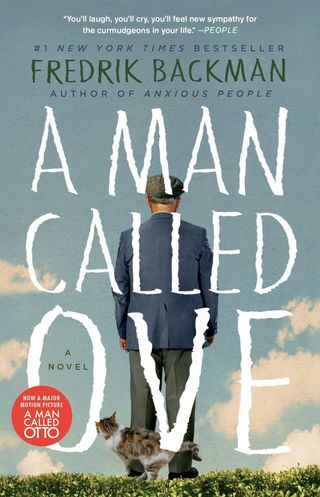
Fredrik Backman, a Swedish author known for A Man Called Ove, sets the novel in an ordinary residential setting where grief, apology, and the private logic of childhood overlap. The story moves between Elsa's matter-of-fact view of adults and the imagined territories her grandmother built for her.